
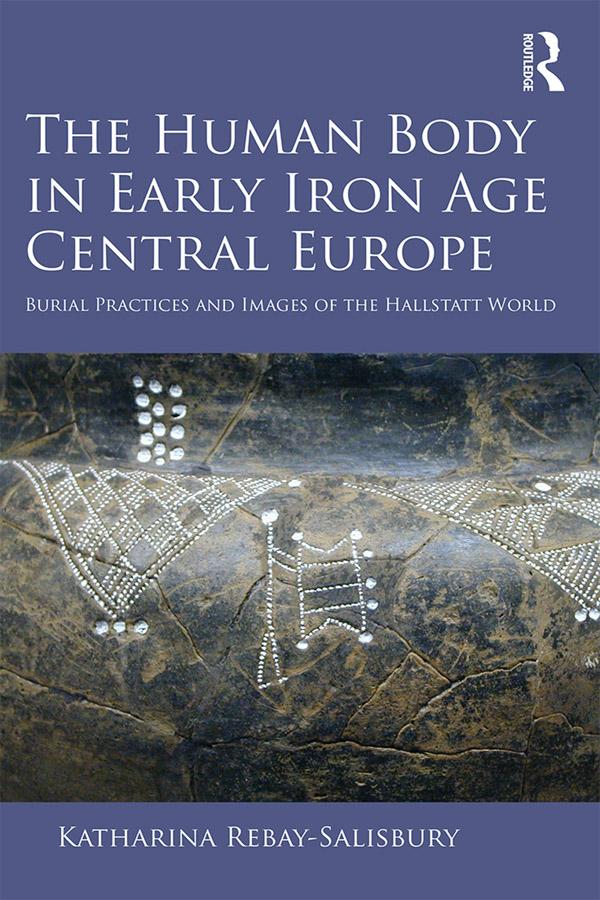
Identities and social relations are fundamental elements of societies. To approach these topics from a new and different angle, this study takes the human body as the focal point of investigation. It tracks changing identities of early Iron Age people in central Europe through body-related practices: the treatment of the body after death and human representations in art.
The human remains themselves provide information on biological parameters of life, such as sex, biological age, and health status. Objects associated with the body in the grave and funerary practices give further insights on how people of the early Iron Age understood life and death, themselves, and their place in the world.
Representations of the human body appear in a variety of different materials, forms, and contexts, ranging from ceramic figurines to images on bronze buckets. Rather than focussing on their narrative content, human images are here interpreted as visualising and mediating identity. The analysis of how image elements were connected reveals networks of social relations that connect central Europe to the Mediterranean.
Body ideals, nudity, sex and gender, aging, and many other aspects of women’s and men’s lives feature in this book. Archaeological evidence for marriage and motherhood, war, and everyday life is brought together to paint a vivid picture of the past.
Betal nemt med kort, Klarna, Apple Pay eller Google Pay. Ikke tilfreds? Du har altid 14 dages fortrydelsesret. Læs mere i vores vilkår. Har du spørgsmål, så send os en mail på hello@memmo.org.
Memmo gør det nemmere at studere – uanset hvor du er i verden. Hos os samler du dine kursusbøger og smarte studieværktøjer ét sted: resuméer, quizzer, podcasts og flashcards. Og så er der Ted, din studieven, der svarer på alt, du undrer dig over. Over 50 000 studerende studerer allerede her – bygget til at hjælpe dig med at lære hurtigere og stresse mindre.