
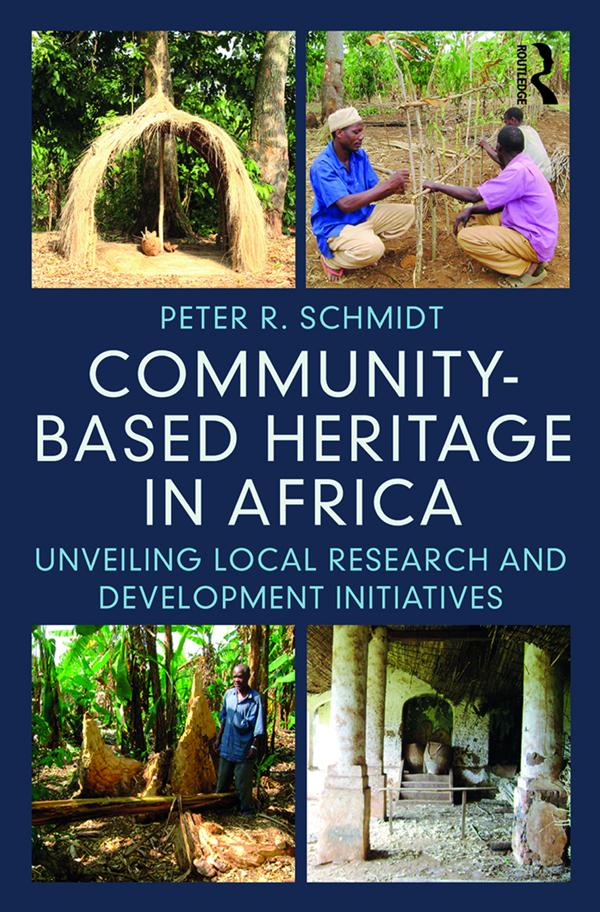
This volume provides a powerful alternative to the Western paradigms that have governed archaeological inquiry and heritage studies in Africa. Community-based Heritage Research in Africa boldly shifts focus away from top-down community engagements, usually instigated by elite academic and heritage institutions, to examine locally initiated projects. Schmidt explores how and why local research initiatives, which are often motivated by rapid culture change caused by globalization, arose among the Haya people of western Tanzania. In particular, the trauma of HIV/AIDS resulted in the loss of elders who had performed oral traditions and rituals at sacred places, the two most recognized forms of heritage among the Haya as well as distinct alternatives to the authorized heritage discourse favored around the globe.
Examining three local initiatives, Schmidt draws on his experience as an anthropologist invited to collaborate and co-produce with the Haya to provide a poignant rendering of the successes, conflicts, and failures that punctuated their participatory community research efforts. This frank appraisal privileges local voices and focuses attention on the unique and important contributions that such projects can make to the preservation of regional history. Through this blend of personalized narrative and analytical examination, the book provides fresh insights into African archaeology and heritage studies.
Betal nemt med kort, Klarna, Apple Pay eller Google Pay. Ikke tilfreds? Du har altid 14 dages fortrydelsesret. Læs mere i vores vilkår. Har du spørgsmål, så send os en mail på hello@memmo.org.
Memmo gør det nemmere at studere – uanset hvor du er i verden. Hos os samler du dine kursusbøger og smarte studieværktøjer ét sted: resuméer, quizzer, podcasts og flashcards. Og så er der Ted, din studieven, der svarer på alt, du undrer dig over. Over 50 000 studerende studerer allerede her – bygget til at hjælpe dig med at lære hurtigere og stresse mindre.