
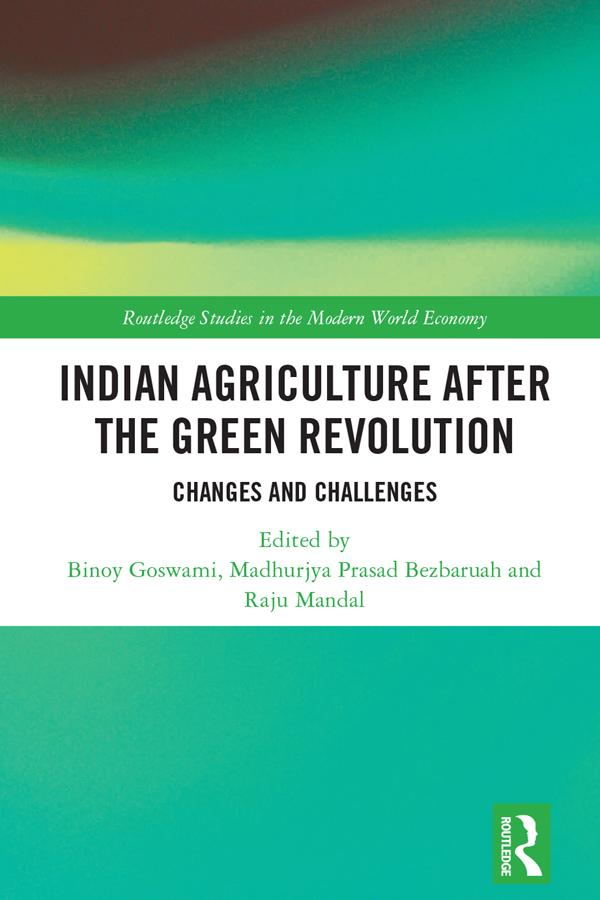
From a country plagued with chronic food shortage, the Green Revolution turned India into a food-grain self-sufficient nation within the decade of 1968-1978. By contrast, the decade of 1995-2005 witnessed a spate in suicides among farmers in many parts of the country. These tragic incidents were symptomatic of the severe stress and strain that the agriculture sector had meanwhile accumulated. The book recounts how the high achievements of the Green Revolution had overgrown to a state of this ‘agrarian crisis’. In the process, it also brings to fore the underlying resilience and innovativeness in the sector which enabled it not just to survive through the crisis but to evolve and revive out of it. The need of the hour is to create an environment that will enable the sector to acquire the robustness to contend with the challenges of lifting levels of farm income and coping with Climate Change. To this end, a multi-pronged intervention strategy has been suggested. Reviving public investment in irrigation, tuning agrarian institutions to the changed context, strengthening of market institution for better farm-market linkage and financial access of farmers, and preparing the ground for ushering in technological innovations should form the major components of this policy paradigm.
Betal nemt med kort, Klarna, Apple Pay eller Google Pay. Ikke tilfreds? Du har altid 14 dages fortrydelsesret. Læs mere i vores vilkår. Har du spørgsmål, så send os en mail på hello@memmo.org.
Memmo gør det nemmere at studere – uanset hvor du er i verden. Hos os samler du dine kursusbøger og smarte studieværktøjer ét sted: resuméer, quizzer, podcasts og flashcards. Og så er der Ted, din studieven, der svarer på alt, du undrer dig over. Over 50 000 studerende studerer allerede her – bygget til at hjælpe dig med at lære hurtigere og stresse mindre.