
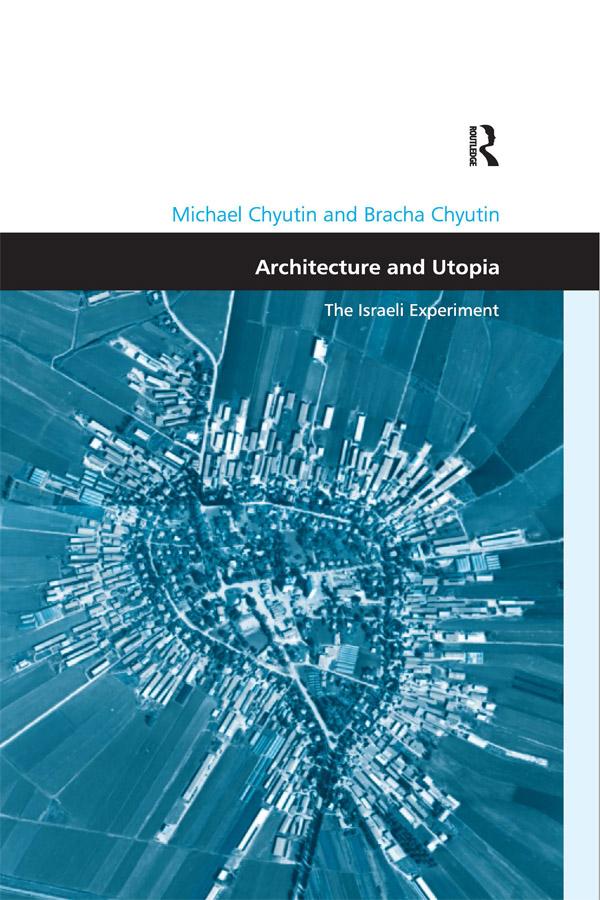
There are more than 450 Moshavim settlements and about 270 kibbutzim in Israel. While there is a range of communal and cooperative kibbutz movements, all with slight ideological differences, they are all collective rural communities, based on an ideal to create a social utopian settlement. Placing the kibbutz within the wider context of utopian social ideals and how they have historically been physically and architecturally constructed, this book discusses the form of the 'ideal settlement' as an integral part and means for realizing a utopian doctrine. It presents an analysis of physical planning in the kibbutz through the past eight decades and how changes in ideology are reflected in changes in layout and aesthetics. In doing so, this book shows how a utopian settlement organization behaves over time, from their first appearance in 1920 on, to an examination of the current spatial layouts and the directions of their expected future development.
Betal nemt med kort, Klarna, Apple Pay eller Google Pay. Ikke tilfreds? Du har altid 14 dages fortrydelsesret. Læs mere i vores vilkår. Har du spørgsmål, så send os en mail på hello@memmo.org.
Memmo gør det nemmere at studere – uanset hvor du er i verden. Hos os samler du dine kursusbøger og smarte studieværktøjer ét sted: resuméer, quizzer, podcasts og flashcards. Og så er der Ted, din studieven, der svarer på alt, du undrer dig over. Over 50 000 studerende studerer allerede her – bygget til at hjælpe dig med at lære hurtigere og stresse mindre.
Du kan måske også lide
Køb bogen0