
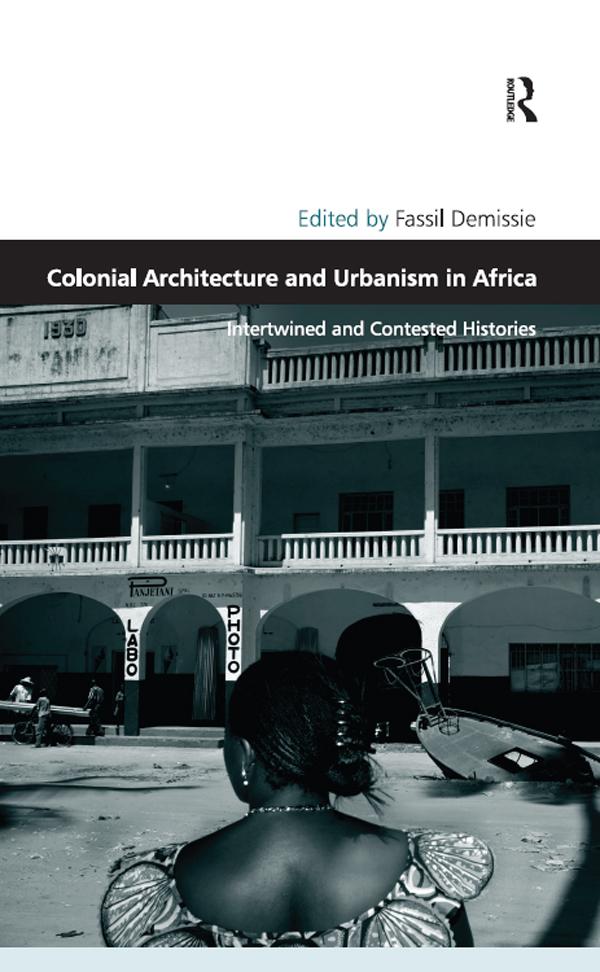
Colonial architecture and urbanism carved its way through space: ordering and classifying the built environment, while projecting the authority of European powers across Africa in the name of science and progress. The built urban fabric left by colonial powers attests to its lingering impacts in shaping the present and the future trajectory of postcolonial cities in Africa. Colonial Architecture and Urbanism explores the intersection between architecture and urbanism as discursive cultural projects in Africa. Like other colonial institutions such as the courts, police, prisons, and schools, that were crucial in establishing and maintaining political domination, colonial architecture and urbanism played s pivotal role in shaping the spatial and social structures of African cities during the 19th and 20th centuries. Indeed, it is the cultural destination of colonial architecture and urbanism and the connection between them and colonialism that the volume seeks to critically address. The contributions drawn from different interdisciplinary fields map the historical processes of colonial architecture and urbanism and bring into sharp focus the dynamic conditions in which colonial states, officials, architects, planners, medical doctors and missionaries mutually constructed a hierarchical and exclusionary built environment that served the wider colonial project in Africa.
Betal nemt med kort, Klarna, Apple Pay eller Google Pay. Ikke tilfreds? Du har altid 14 dages fortrydelsesret. Læs mere i vores vilkår. Har du spørgsmål, så send os en mail på hello@memmo.org.
Memmo gør det nemmere at studere – uanset hvor du er i verden. Hos os samler du dine kursusbøger og smarte studieværktøjer ét sted: resuméer, quizzer, podcasts og flashcards. Og så er der Ted, din studieven, der svarer på alt, du undrer dig over. Over 50 000 studerende studerer allerede her – bygget til at hjælpe dig med at lære hurtigere og stresse mindre.
Du kan måske også lide
Køb bogen0