
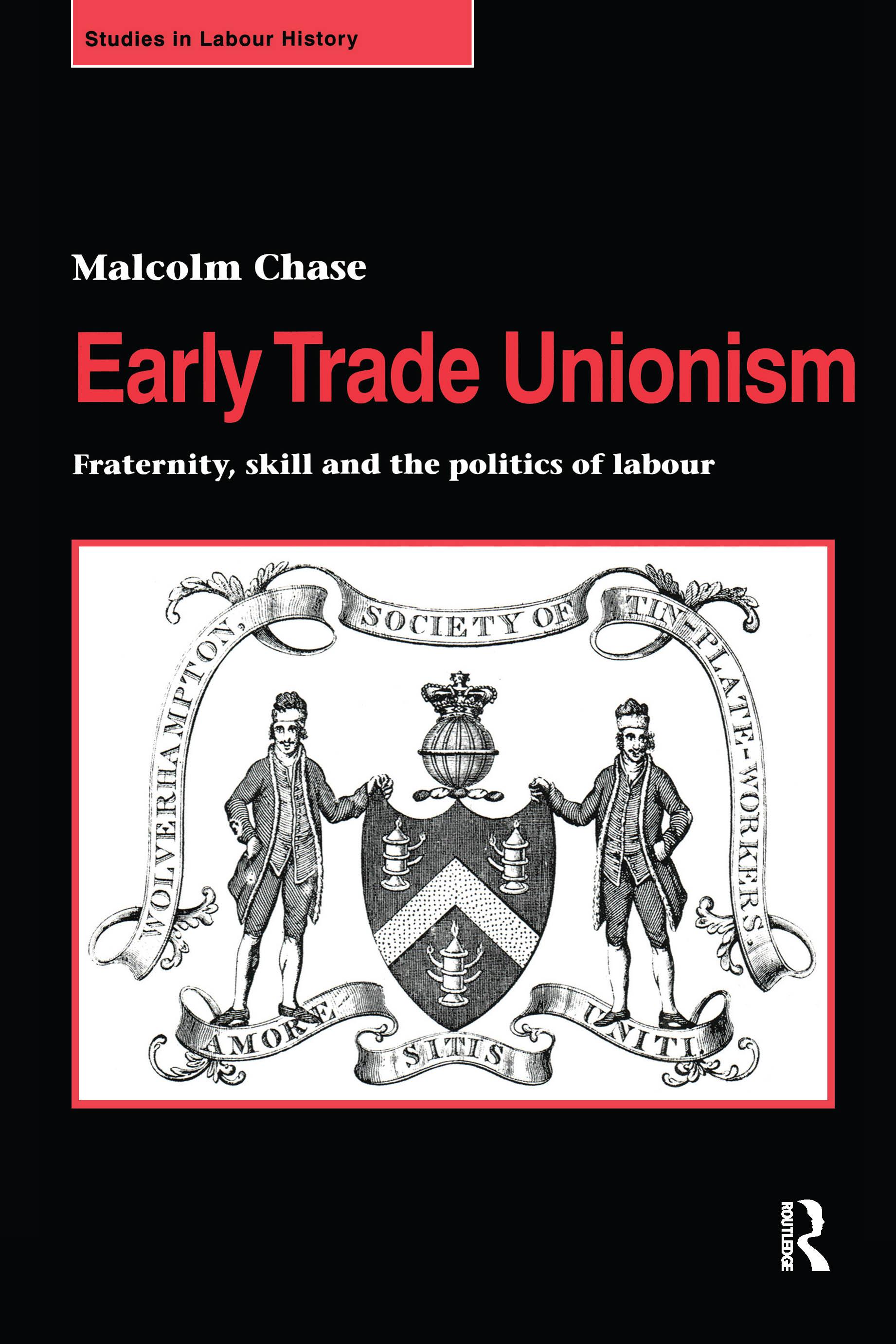
Once the heartland of British labour history, trade unionism has been marginalised in much recent scholarship. In a critical survey from the earliest times to the nineteenth century, this book argues for its reinstatement. Trade unionism is shown to be both intrinsically important and to provide a window onto the broader historical landscape; the evolution of trade union principles and practices is traced from the seventeenth century to mid-Victorian times. Underpinning this survey is an explanation of labour organisation that reaches back to the fourteenth century. Throughout, the emphasis is on trade union mentality and ideology, rather than on institutional history. There is a critical focus on the politics of gender, on the demarcation of skill and on the role of the state in labour issues. New insight is provided on the long-debated question of trade unions’ contribution to social and political unrest from the era of the French Revolution through to Chartism.
Betal nemt med kort, Klarna, Apple Pay eller Google Pay. Ikke tilfreds? Du har altid 14 dages fortrydelsesret. Læs mere i vores vilkår. Har du spørgsmål, så send os en mail på hello@memmo.org.
Memmo gør det nemmere at studere – uanset hvor du er i verden. Hos os samler du dine kursusbøger og smarte studieværktøjer ét sted: resuméer, quizzer, podcasts og flashcards. Og så er der Ted, din studieven, der svarer på alt, du undrer dig over. Over 50 000 studerende studerer allerede her – bygget til at hjælpe dig med at lære hurtigere og stresse mindre.
Du kan måske også lide
Køb bogen0