
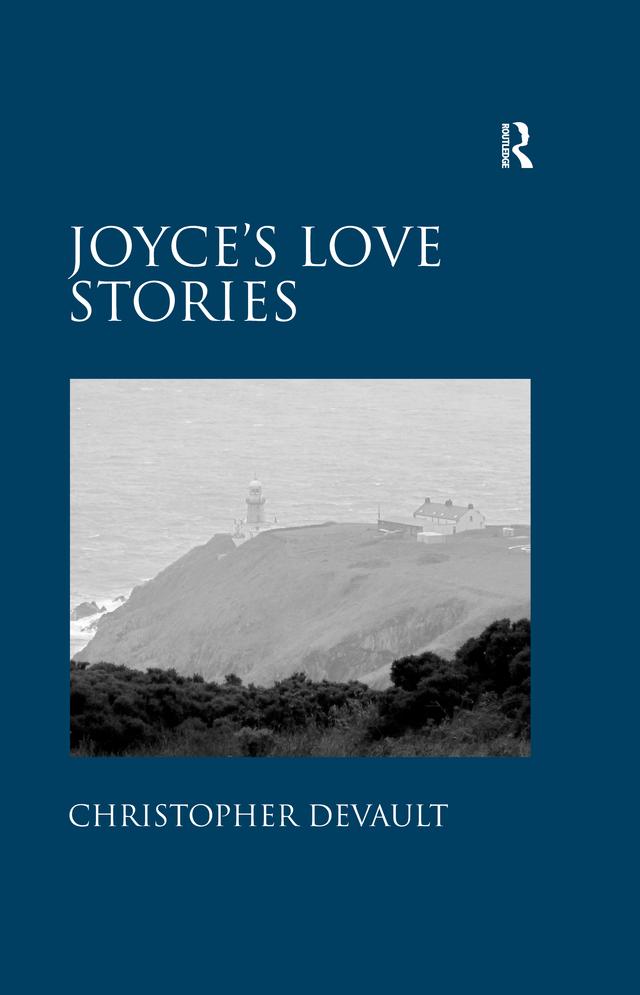
In his comprehensive study of love in James Joyce's writings, Christopher DeVault suggests that a love ethic persists throughout Joyce's works. DeVault uses Martin Buber's distinction between the true love for others and the narcissistic desire for oneself to frame his discussion, showing that Joyce frequently ties his characters' personal and political pursuits to their ability to affirm both their loved ones and their fellow Dubliners. In his short stories and novels, DeVault argues, Joyce shows how personal love makes possible a broader social compassion that creates a more progressive body politic. While his early protagonists' narcissism limits them to detached engagements with Dublin that impede effective political action, Joyce demonstrates the viability of his love ethic through both the Blooms’ empathy in Ulysses and the polylogic dreamtext of Finnegan's Wake. In its revelation of Joyce's amorous alternative to the social and political paralysis he famously attributed to twentieth-century Dublin, Joyce's Love Stories allows for a better appreciation of the ethical and political significance underpinning the author's assessments of Ireland.
Betal nemt med kort, Klarna, Apple Pay eller Google Pay. Ikke tilfreds? Du har altid 14 dages fortrydelsesret. Læs mere i vores vilkår. Har du spørgsmål, så send os en mail på hello@memmo.org.
Memmo gør det nemmere at studere – uanset hvor du er i verden. Hos os samler du dine kursusbøger og smarte studieværktøjer ét sted: resuméer, quizzer, podcasts og flashcards. Og så er der Ted, din studieven, der svarer på alt, du undrer dig over. Over 50 000 studerende studerer allerede her – bygget til at hjælpe dig med at lære hurtigere og stresse mindre.
Du kan måske også lide
Køb bogen0