
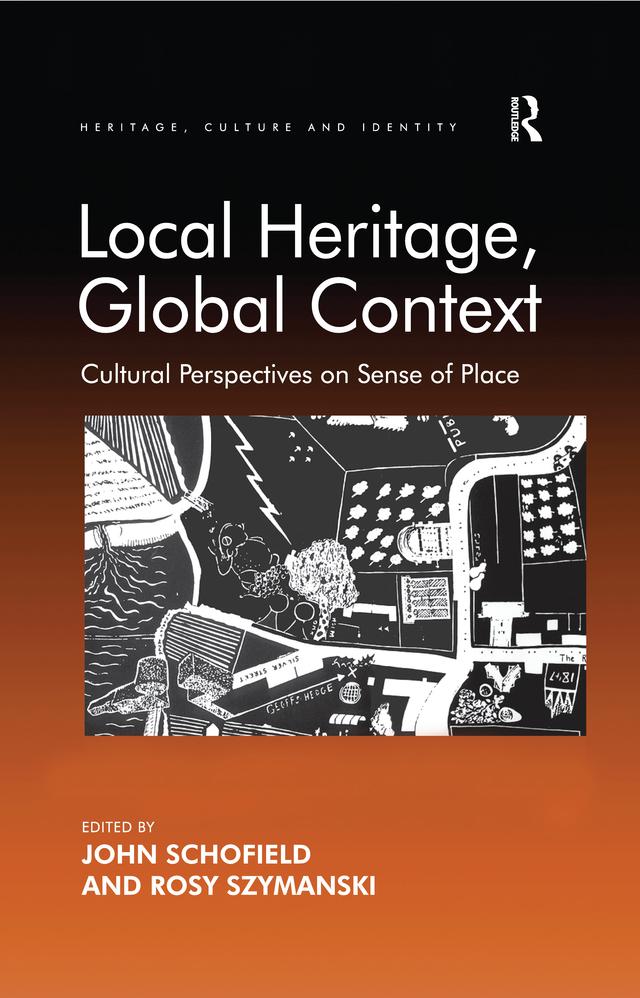
'Sense of place' has become a familiar phrase, used to describe emotional attachment to a particular location. As heritage management policy and practices increasingly attempt to draw on the views and expressions of interest amongst local communities, it is important to have a better grasp of what people mean by this concept, and to assess its uses and implications. Here, a range of practitioners from NGO, agency, cultural heritage and archaeological backgrounds review the meanings of 'sense of place', and where it is useful in the context of heritage management practice. This volume breaks new ground in specifically addressing place attachment from a cultural heritage perspective, and drawing on local and national interests from a diversity of cultural situations. Illustrated with case studies from around Europe and Australia, the book addresses key themes, including the rootedness amongst communities in the past; policy-making for accommodating senses of place within planning and management, for land- sea- and city-scapes; official versus unofficial views; and the often difficult balance between planning policies that extend from regional to global scale, and local actions and perceptions.
Betal nemt med kort, Klarna, Apple Pay eller Google Pay. Ikke tilfreds? Du har altid 14 dages fortrydelsesret. Læs mere i vores vilkår. Har du spørgsmål, så send os en mail på hello@memmo.org.
Memmo gør det nemmere at studere – uanset hvor du er i verden. Hos os samler du dine kursusbøger og smarte studieværktøjer ét sted: resuméer, quizzer, podcasts og flashcards. Og så er der Ted, din studieven, der svarer på alt, du undrer dig over. Over 50 000 studerende studerer allerede her – bygget til at hjælpe dig med at lære hurtigere og stresse mindre.
Du kan måske også lide
Køb bogen0