
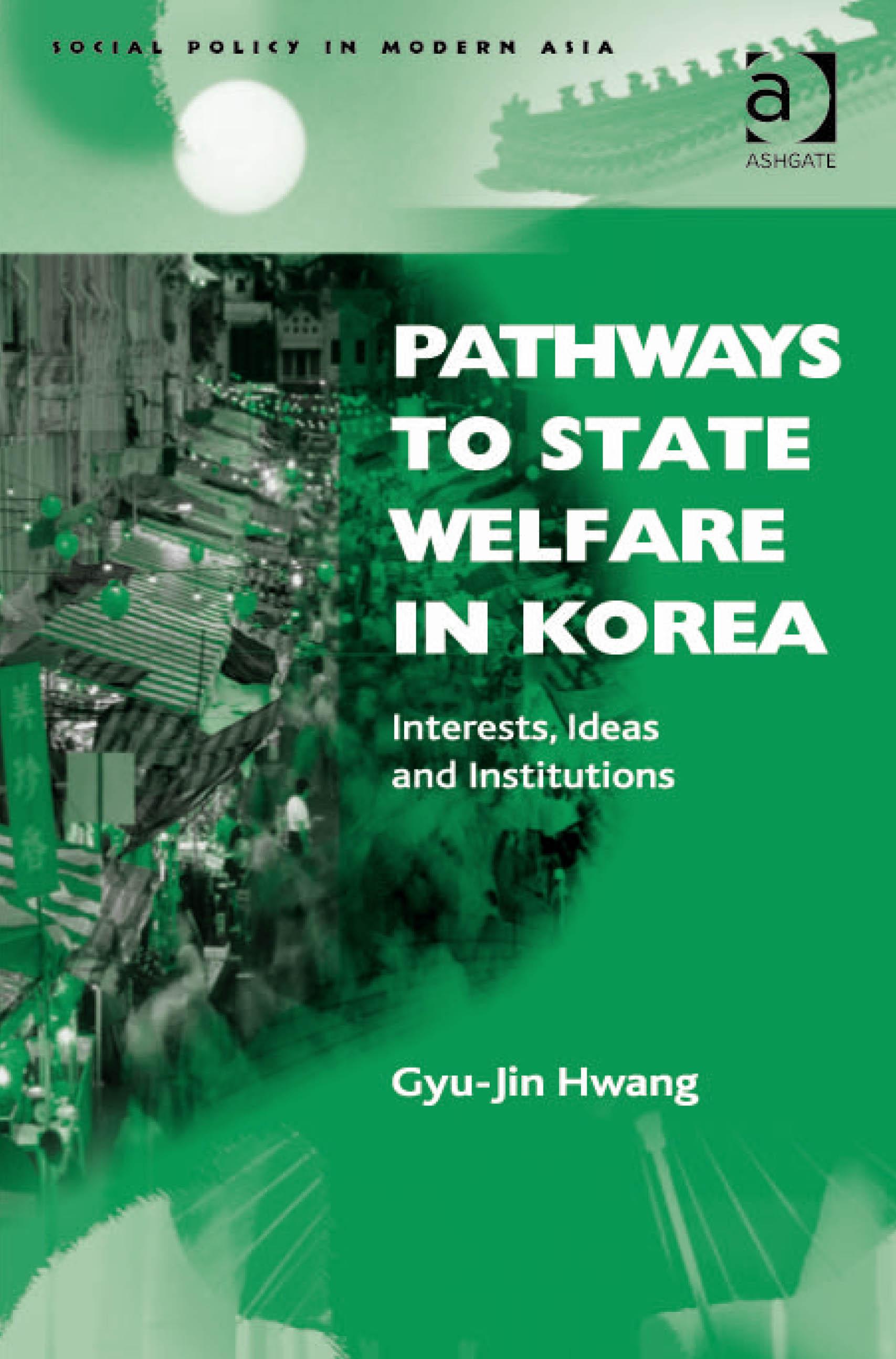
Why has Korean social policy developed differently from that of other East Asian countries? While in many respects Korea can be compared with Taiwan, Hong Kong and Singapore, where economic development has been the chief priority of state action, Korea has also implemented extensive welfare reform, expanding its welfare provision even under recent conditions of economic downturn. Gyu-Jin Hwang traces the development of the Korean welfare state, providing a fascinating case study for observers of East Asian industrial growth and the public management of social risks. Arguing that the extension of state welfare presents a unique challenge to existing theoretical propositions underlying social policy development, he draws on detailed empirical analysis of key policy areas, namely public assistance, national pensions, health care and employment insurance. The book offers a definitive analysis of the development of Korean social policy programmes and the politics of implementing them. The book will be important reading for all those interested in comparative Social Policy and more specifically the development of Social Welfare in Asian countries.
Betal nemt med kort, Klarna, Apple Pay eller Google Pay. Ikke tilfreds? Du har altid 14 dages fortrydelsesret. Læs mere i vores vilkår. Har du spørgsmål, så send os en mail på hello@memmo.org.
Memmo gør det nemmere at studere – uanset hvor du er i verden. Hos os samler du dine kursusbøger og smarte studieværktøjer ét sted: resuméer, quizzer, podcasts og flashcards. Og så er der Ted, din studieven, der svarer på alt, du undrer dig over. Over 50 000 studerende studerer allerede her – bygget til at hjælpe dig med at lære hurtigere og stresse mindre.
Du kan måske også lide
Køb bogen0