
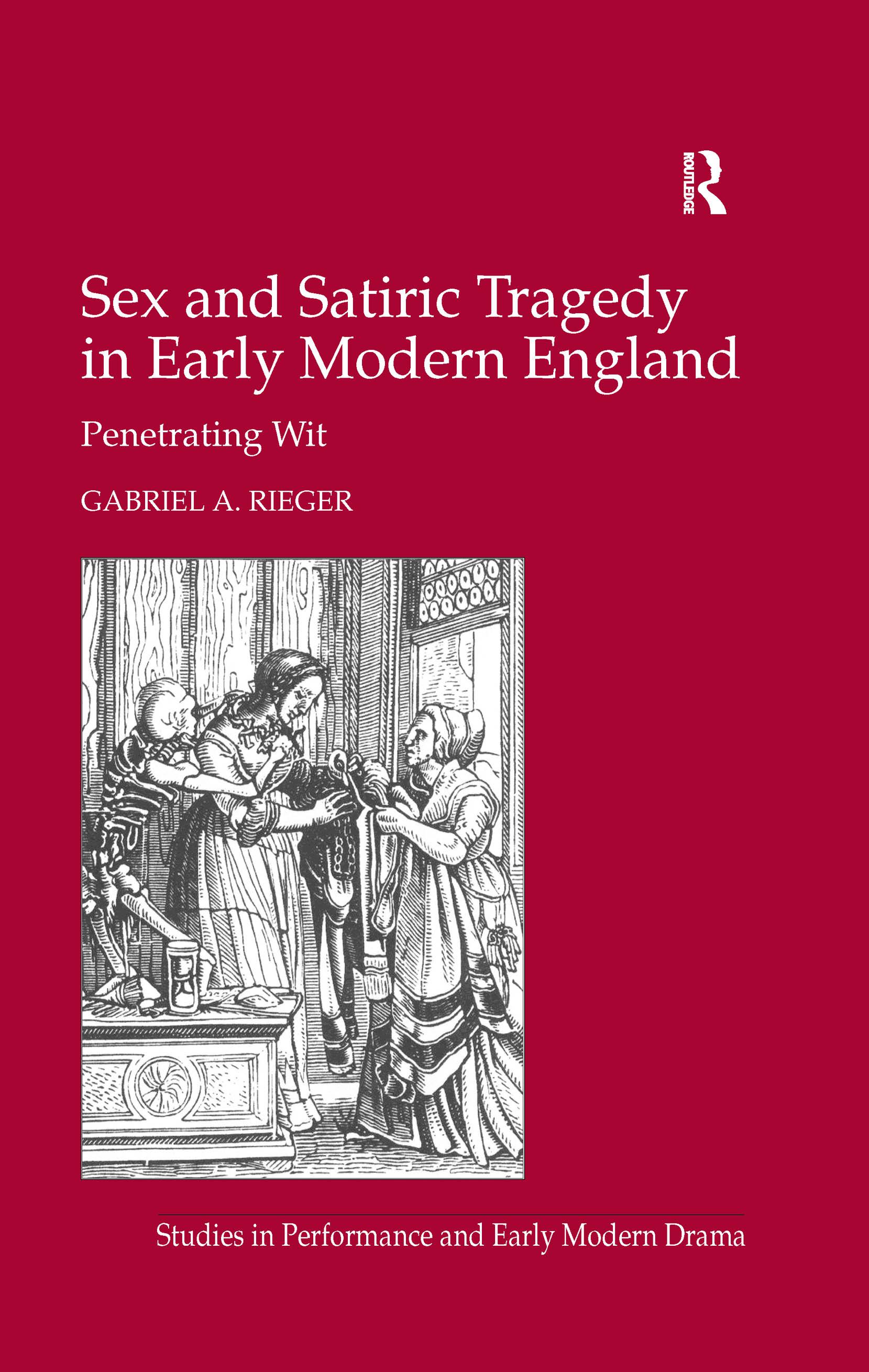
Drawing upon recent scholarship in Renaissance studies regarding notions of the body, political, physical and social, this study examines how the satiric tragedians of the English Renaissance employ the languages of sex - including sexual slander, titillation, insinuation and obscenity - in the service of satiric aggression. There is a close association between the genre of satire and sexually descriptive language in the period, author Gabriel Rieger argues, particularly in the ways in which both the genre and the languages embody systems of oppositions. In exploring the various purposes which sexually descriptive language serves for the satiric tragedian, Rieger reviews a broad range of texts, ancient, Renaissance, and contemporary, by satiric tragedians, moralists, medical writers and critics, paying particular attention to the works of William Shakespeare, Thomas Middleton and John Webster
Betal nemt med kort, Klarna, Apple Pay eller Google Pay. Ikke tilfreds? Du har altid 14 dages fortrydelsesret. Læs mere i vores vilkår. Har du spørgsmål, så send os en mail på hello@memmo.org.
Memmo gør det nemmere at studere – uanset hvor du er i verden. Hos os samler du dine kursusbøger og smarte studieværktøjer ét sted: resuméer, quizzer, podcasts og flashcards. Og så er der Ted, din studieven, der svarer på alt, du undrer dig over. Over 50 000 studerende studerer allerede her – bygget til at hjælpe dig med at lære hurtigere og stresse mindre.
Du kan måske også lide
Køb bogen0