
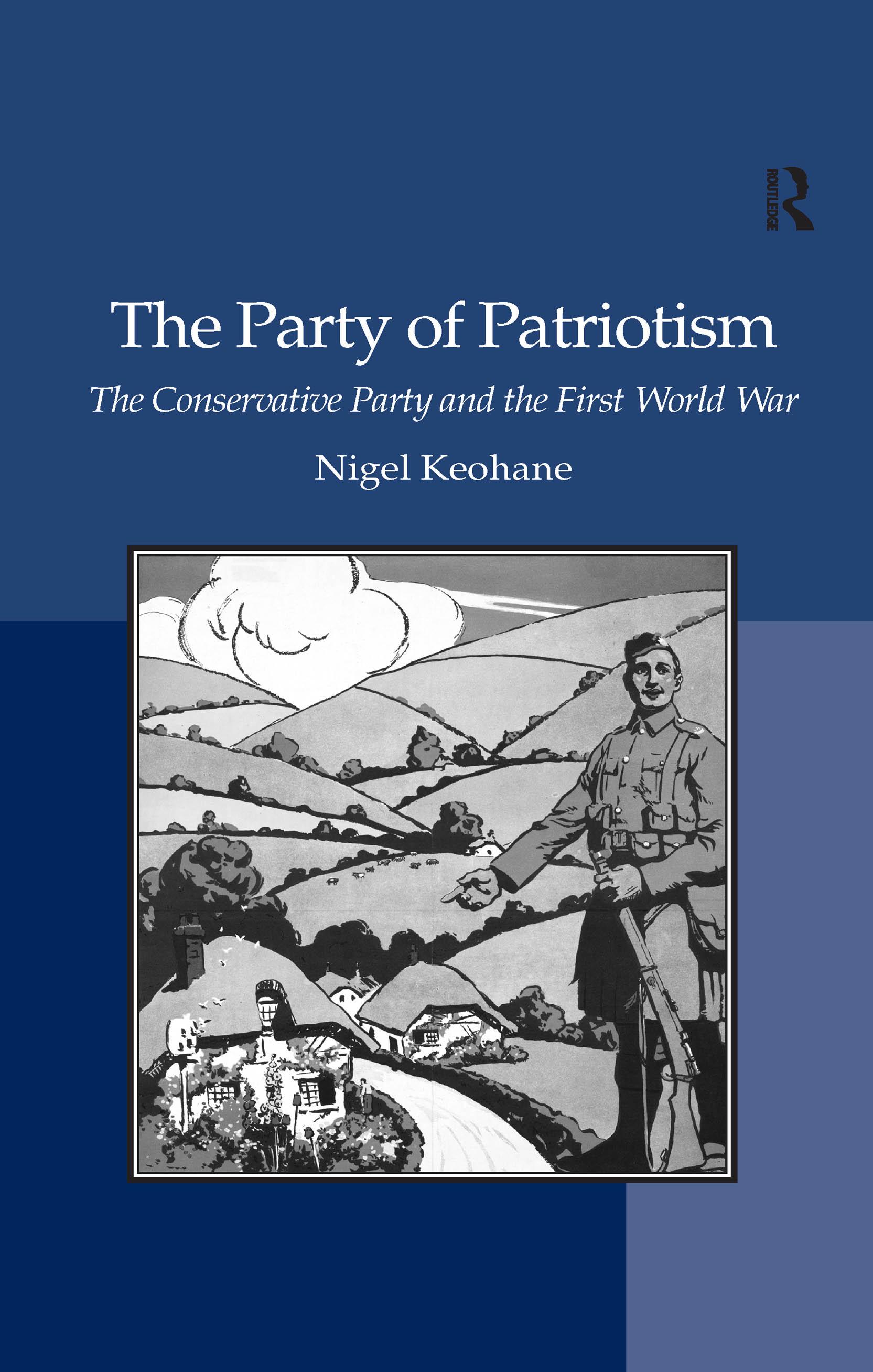
The First World War was a period of turbulent and unprecedented political upheaval that witnessed contrasting fortunes for Britain's major political parties. This book demonstrates how the Conservative Party was able to respond effectively in these years by refining a wartime patriotism that ensured its unity as a party, helped define its electoral fortunes and shaped ideological cohesion. Concepts of patriotism determined not only attitudes to the prosecution of the war, to voluntary and forced military enlistment, but also to class politics, Irish Unionism, democratic reform and the relationship between citizen and state. Fundamental conclusions about modern Conservatism emerge: its organic ideological genesis into a property-defending party; its peculiar willingness and capacity to adapt not only to the immense challenges of 'total war', but also to the new political climate awakened by the conflict. Conservatism was therefore at once flexible and ideological. Filling the historiographical gap created by an overemphasis upon its rival Liberal and Labour parties, and using previously unused party sources, this study sheds new light on many aspects of the war, of Conservative Party history and its regeneration following three disastrous general election defeats in succession, and of British politics in the twentieth century.
Betal nemt med kort, Klarna, Apple Pay eller Google Pay. Ikke tilfreds? Du har altid 14 dages fortrydelsesret. Læs mere i vores vilkår. Har du spørgsmål, så send os en mail på hello@memmo.org.
Memmo gør det nemmere at studere – uanset hvor du er i verden. Hos os samler du dine kursusbøger og smarte studieværktøjer ét sted: resuméer, quizzer, podcasts og flashcards. Og så er der Ted, din studieven, der svarer på alt, du undrer dig over. Over 50 000 studerende studerer allerede her – bygget til at hjælpe dig med at lære hurtigere og stresse mindre.
Du kan måske også lide
Køb bogen0