
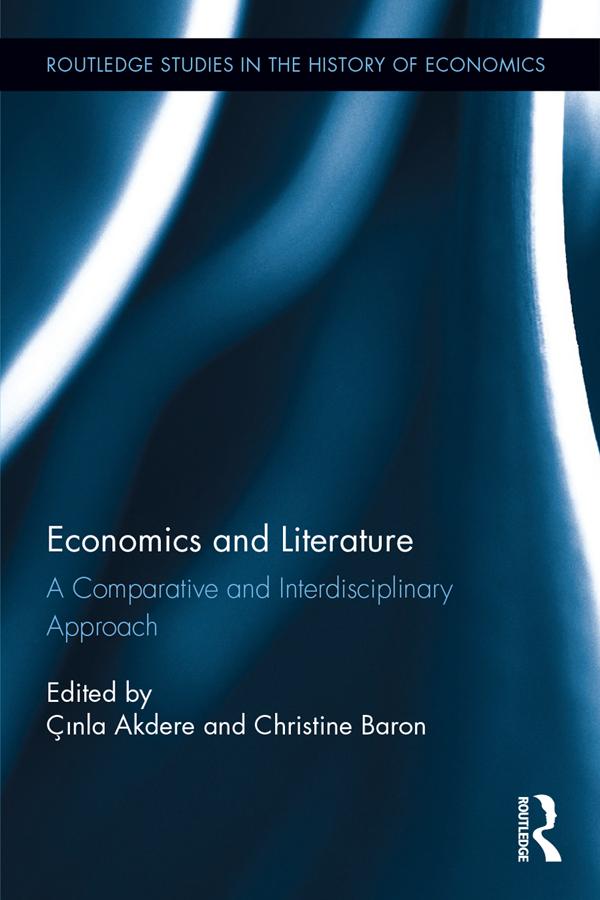
Since the Middle Ages, literature has portrayed the economic world in poetry, drama, stories and novels. The complexity of human realities highlights crucial aspects of the economy. The nexus linking characters to their economic environment is central in a new genre, the "economic novel", that puts forth economic choices and events to narrate social behavior, individual desires, and even non-economic decisions. For many authors, literary narration also offers a means to express critical viewpoints about economic development, for example in regards to its ecological or social ramifications.
Conflicts of economic interest have social, political and moral causes and consequences. This book shows how economic and literary texts deal with similar subjects, and explores the ways in which economic ideas and metaphors shape literary texts, focusing on the analogies between economic theories and narrative structure in literature and drama. This volume also suggests that connecting literature and economics can help us find a common language to voice new, critical perspectives on crises and social change.
Written by an impressive array of experts in their fields, Economics and Literature is an important read for those who study history of economic thought, economic theory and philosophy, as well as literary and critical theory.
Betal nemt med kort, Klarna, Apple Pay eller Google Pay. Ikke tilfreds? Du har altid 14 dages fortrydelsesret. Læs mere i vores vilkår. Har du spørgsmål, så send os en mail på hello@memmo.org.
Memmo gør det nemmere at studere – uanset hvor du er i verden. Hos os samler du dine kursusbøger og smarte studieværktøjer ét sted: resuméer, quizzer, podcasts og flashcards. Og så er der Ted, din studieven, der svarer på alt, du undrer dig over. Over 50 000 studerende studerer allerede her – bygget til at hjælpe dig med at lære hurtigere og stresse mindre.