
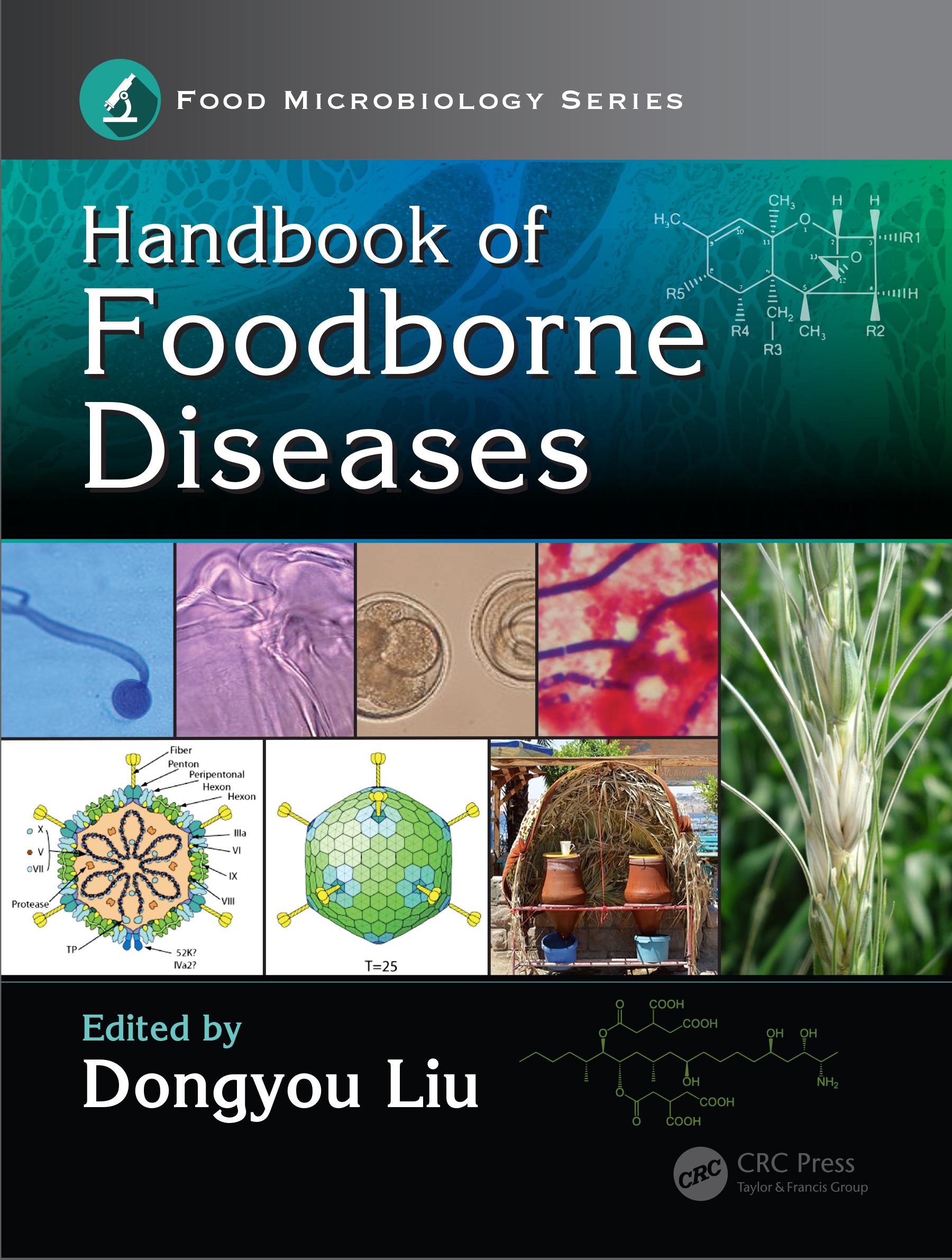
Clearly linked to consumption of foods, beverages, and drinking water that contain pathogenic microbes, toxins, or other toxic agents, foodborne diseases have undergone a remarkable change of fortune in recent decades, from once rare and insignificant malaises to headline-grabbing and deadly outbreaks. Unquestionably, several factors have combined to make this happen. These include a prevailing demand for the convenience of ready-to-eat or heat-and-eat manufactured food products that allow ready entry and survival of some robust, temperature-insensitive microorganisms; a drastic reduction in the costs of air, sea, and road transportation that has taken some pathogenic microorganisms to where they were absent previously; an expanding world population that has stretched the boundary of human activity; and an ageing population whose weakened immune functions provide a fertile ground for opportunistic pathogens to invade and thrive.
Given the diversity of causative agents (ranging from viruses, bacteria, yeasts, filamentous fungi, protozoa, helminthes, toxins, to toxic agents), and the ingenuity of pathogenic microbes to evolve through genetic reassortment, horizontal gene transfer, and/or random genetic mutation, it has become an enormous challenge to understand how foodborne agents are able to evade host immune defenses and induce diseases, and also to develop and apply innovative approaches for improved diagnosis, treatment, and prevention of foodborne diseases.
Handbook of Foodborne Diseases summarizes the latest findings on more than 100 foodborne diseases and their causative agents. With contributions from international experts on foodborne pathogens, toxins, and toxic agents research, this volume provides state-of-the-art overviews on foodborne diseases in relation to their etiology, biology, epidemiology, clinical presentation, pathogenesis, diagnosis, treatment, and prevention. Apart from offering a comprehensive textbook for undergraduate and postgraduate students in food, medical, and veterinary microbiology, this volume constitutes a valuable reference on foodborne diseases for medical professionals and health authorities, and forms an informative educational resource for the general public.
Betal nemt med kort, Klarna, Apple Pay eller Google Pay. Ikke tilfreds? Du har altid 14 dages fortrydelsesret. Læs mere i vores vilkår. Har du spørgsmål, så send os en mail på hello@memmo.org.
Memmo gør det nemmere at studere – uanset hvor du er i verden. Hos os samler du dine kursusbøger og smarte studieværktøjer ét sted: resuméer, quizzer, podcasts og flashcards. Og så er der Ted, din studieven, der svarer på alt, du undrer dig over. Over 50 000 studerende studerer allerede her – bygget til at hjælpe dig med at lære hurtigere og stresse mindre.