
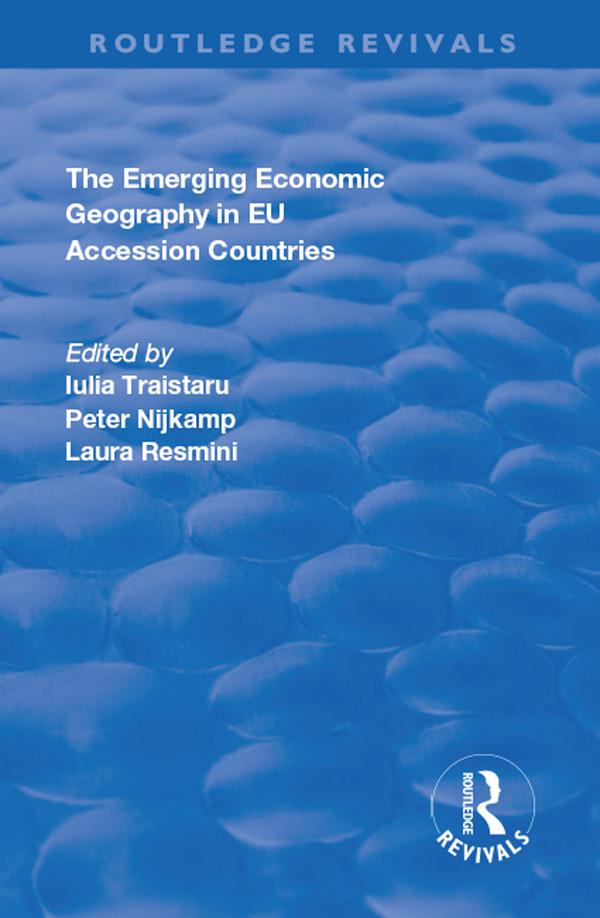
This title was first published in 2003. Since 1990, Central and Eastern European countries have experienced increased economic integration with the European Union. The spatial implications of this process have been little investigated so far. Have patterns of regional specialization and industrial concentration changed during the 1990s? How does regional specialization relate to economic performance? How has access to Western markets affected the regional wage structure? What types of regions are winners and what types of regions are losers? This book poses and answers such policy relevant questions. It is organized into three parts. The first introduces the main features of economic integration and transition processes in Central and Eastern Europe and discusses the theoretical and methodological framework of the research. The second part examines the cases of five countries: Bulgaria, Estonia, Hungary, Romania and Slovenia, and the final part includes three comparative analyses which explain the underlying factors that determine the changing patterns of location of manufacturing activity, the adjustment pattern of regional wages and adaptation processes in border regions in the five countries.
Sider: 480
Kategori: Ekonomi & Utveckling
e-ISBN: 9781351776523
Forsendelsesvægt: 1.2 kg
Sendes inden for: 1-2 dage
Betal nemt med kort, Klarna, Apple Pay eller Google Pay. Ikke tilfreds? Du har altid 14 dages fortrydelsesret. Læs mere i vores vilkår. Har du spørgsmål, så send os en mail på hello@memmo.org.
Memmo gør det nemmere at studere – uanset hvor du er i verden. Hos os samler du dine kursusbøger og smarte studieværktøjer ét sted: resuméer, quizzer, podcasts og flashcards. Og så er der Ted, din studieven, der svarer på alt, du undrer dig over. Over 50 000 studerende studerer allerede her – bygget til at hjælpe dig med at lære hurtigere og stresse mindre.
Du kan måske også lide
Køb bogen0