
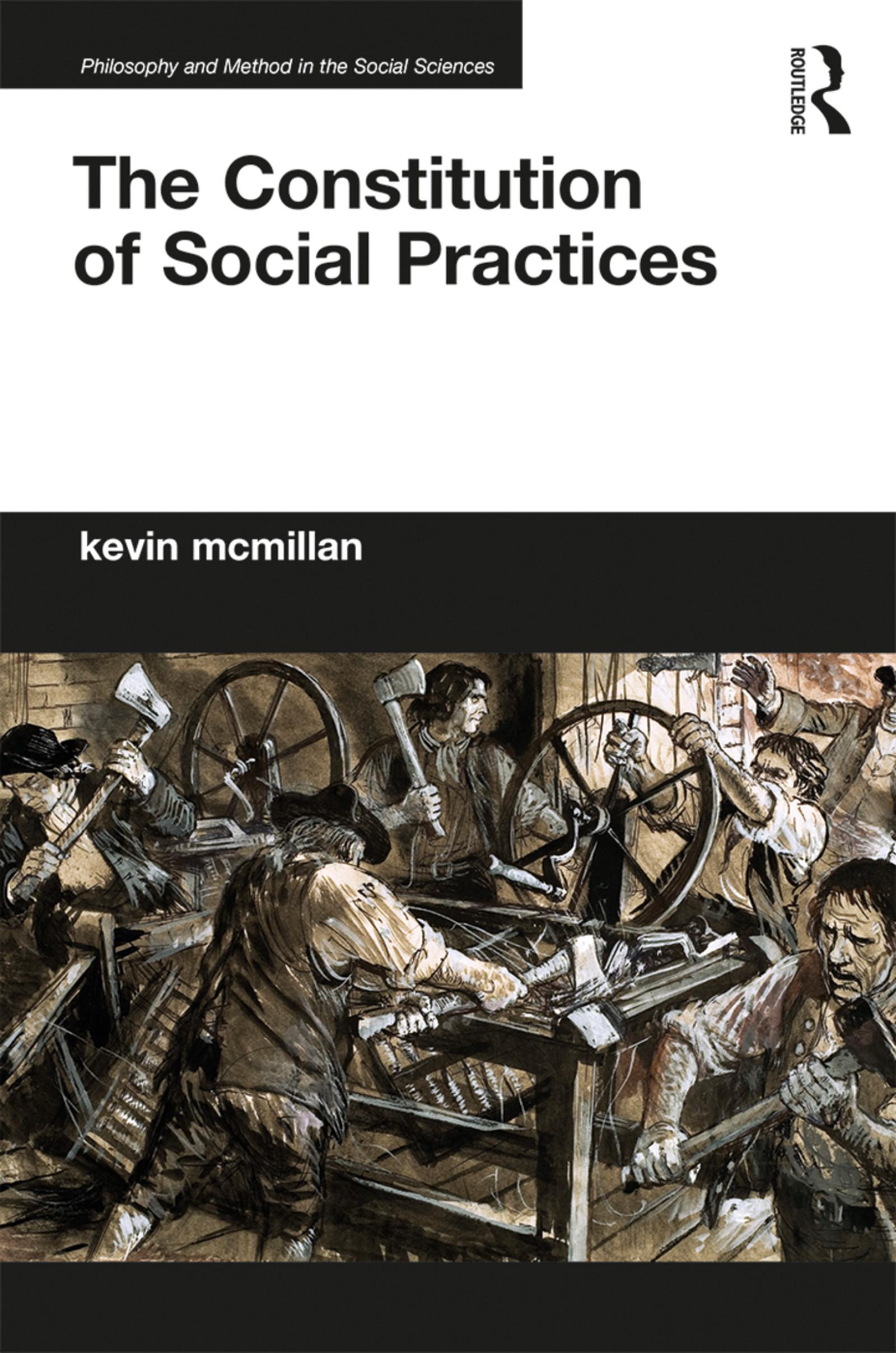
Practices – specific, recurrent types of human action and activity – are perhaps the most fundamental "building blocks" of social reality. This book argues that the detailed empirical study of practices is essential to effective social-scientific inquiry. It develops a philosophical infrastructure for understanding human practices, and argues that practice theory should be the analytical centrepiece of social theory and the philosophy of the social sciences.
What would social scientists’ research look like if they took these insights seriously? To answer this question, the book offers an analytical framework to guide empirical research on practices in different times and places. The author explores how practices can be identified, characterised and explained, how they function in concrete contexts and how they might change over time and space.
The Constitution of Social Practices lies at the intersection of philosophy, social theory, cultural theory and the social sciences. It is essential reading for scholars in social theory and the philosophy of social science, as well as the broad range of researchers and students across the social sciences and humanities whose work stands to benefit from serious consideration of practices.
Betal nemt med kort, Klarna, Apple Pay eller Google Pay. Ikke tilfreds? Du har altid 14 dages fortrydelsesret. Læs mere i vores vilkår. Har du spørgsmål, så send os en mail på hello@memmo.org.
Memmo gør det nemmere at studere – uanset hvor du er i verden. Hos os samler du dine kursusbøger og smarte studieværktøjer ét sted: resuméer, quizzer, podcasts og flashcards. Og så er der Ted, din studieven, der svarer på alt, du undrer dig over. Over 50 000 studerende studerer allerede her – bygget til at hjælpe dig med at lære hurtigere og stresse mindre.