
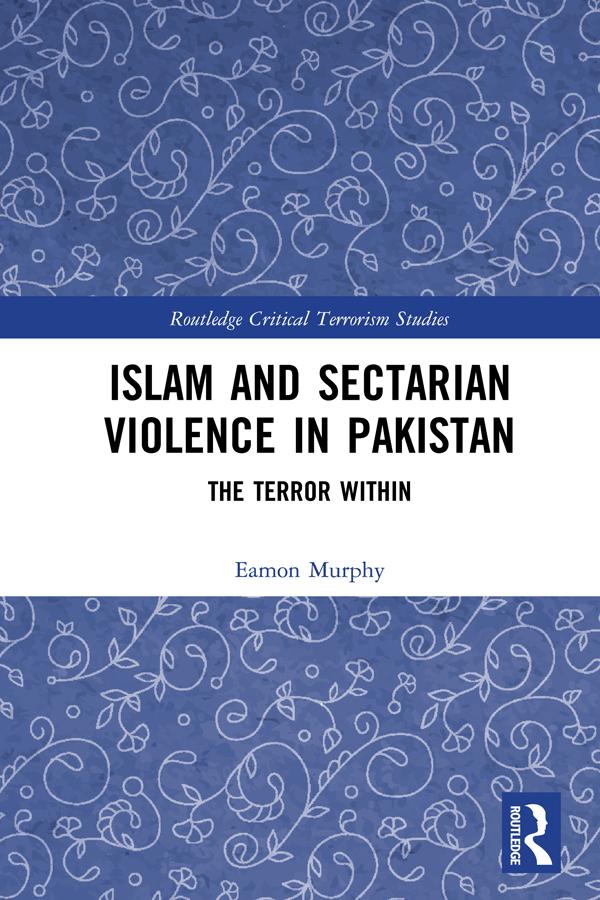
This book analyses the growth of sectarian-based terrorist violence in Pakistan, one of the Muslim majority states most affected by sectarian violence, ever since it was established in 1947.
Sectarian violence among Muslims has emerged as a major global security problem in recent years. The author argues that the upsurge in sectarian violence in Pakistan, particularly since the late 1970s, has had less to do with theological differences between the various sects of Islam, but is a consequence of the specific political, social, economic, demographic and cultural changes that have taken place in Pakistan since it was established as an independent state. A major theme of the book is the increasing violence, extent and expressions of sectarian conflict which have emerged as new forms of sectarian terrorism. The volume provides an in-depth empirical case study which addresses some major theoretical questions raised by Critical Terrorism Studies researchers in respect of the links between religion and sectarian terrorism in Pakistan and more widely.
This book will be of much interest to students of critical terrorism studies, Asian politics and history, religious studies and International Relations in general.
Betal nemt med kort, Klarna, Apple Pay eller Google Pay. Ikke tilfreds? Du har altid 14 dages fortrydelsesret. Læs mere i vores vilkår. Har du spørgsmål, så send os en mail på hello@memmo.org.
Memmo gør det nemmere at studere – uanset hvor du er i verden. Hos os samler du dine kursusbøger og smarte studieværktøjer ét sted: resuméer, quizzer, podcasts og flashcards. Og så er der Ted, din studieven, der svarer på alt, du undrer dig over. Over 50 000 studerende studerer allerede her – bygget til at hjælpe dig med at lære hurtigere og stresse mindre.