
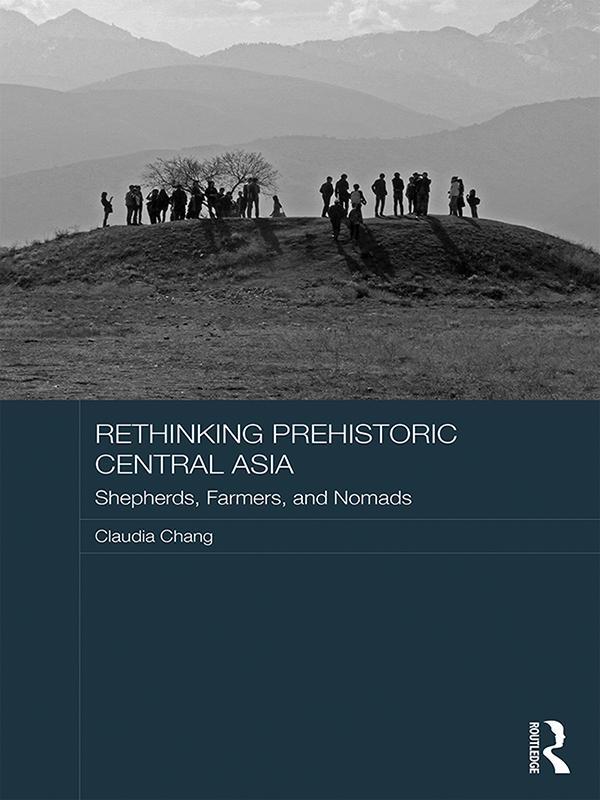
The peoples of Inner Asia in the second half of the first millennium BC have long been considered to be nomads, engaging in warfare and conflict. This book, which presents the findings of new archaeological research in southeastern Kazakhstan, analyzes these findings to present important conclusions about the nature of Inner Asian society in this period. Pots, animal bones, ancient plant remains, and mudbricks are details from the material record proving that the ancient folk cultivated wheat, barley, and the two millets, and also husbanded sheep, goats, cattle, and horses. The picture presented is of societies which were more complex than heretofore understood: with an economic foundation based on both herding and farming, producing surplus agricultural goods which were exported, and with a hierarchical social structure, including elites and commoners, made cohesive by gift-giving, feasting, and tribute, rather than conflict and warfare. The book includes material on the impact of the first opening of the Silk Route by the Han emperors of China.
Betal nemt med kort, Klarna, Apple Pay eller Google Pay. Ikke tilfreds? Du har altid 14 dages fortrydelsesret. Læs mere i vores vilkår. Har du spørgsmål, så send os en mail på hello@memmo.org.
Memmo gør det nemmere at studere – uanset hvor du er i verden. Hos os samler du dine kursusbøger og smarte studieværktøjer ét sted: resuméer, quizzer, podcasts og flashcards. Og så er der Ted, din studieven, der svarer på alt, du undrer dig over. Over 50 000 studerende studerer allerede her – bygget til at hjælpe dig med at lære hurtigere og stresse mindre.