
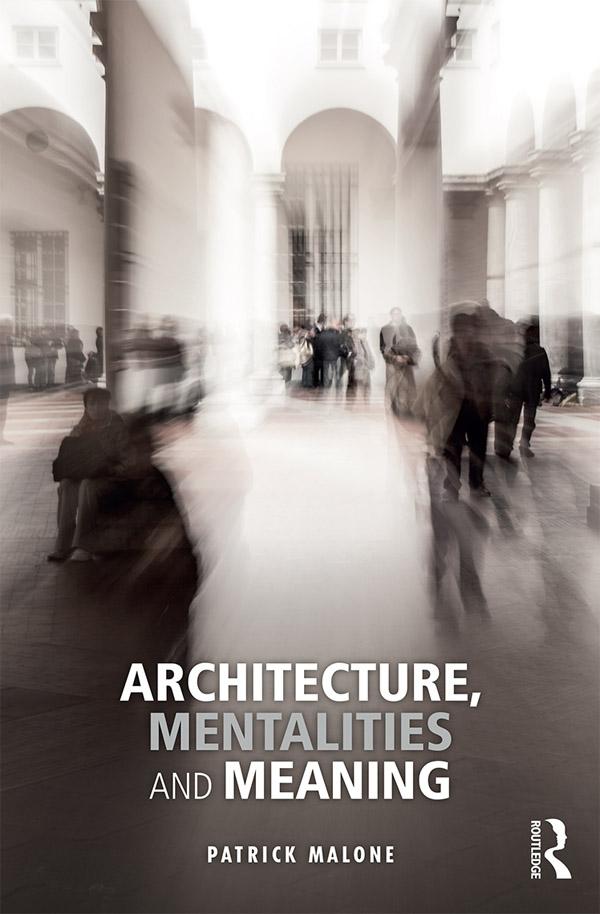
In order to function, architectural theory and practice must be shaped to suit current cultural, economic, and political forces. Thus, architecture embodies reductive logic that conditions the treatment of human and social processes – which raises the question of how to define objectivity for architectural mentalities that must conform to a set of immediate conditions.
This book focuses on meaning, and on the physical and mental processes that define life in built environments. The potential to draw knowledge from aesthetics, psychology, political economy, philosophy, geography, and sociology is offset by the fact that architectural logic is inevitably reductive, cultural, socio-economic, and political. However, despite the duty to conform, it is argued that the treatment of human processes, and the understanding of architectural mentalities, can benefit from interdisciplinary linkages, small freedoms, and cracks in a system of imperatives that can yield the means of greater objectivity.
This is valuable reading for students and researchers interested in architectural theory as a working reality, and in the relationships between architecture and other fields.
Betal nemt med kort, Klarna, Apple Pay eller Google Pay. Ikke tilfreds? Du har altid 14 dages fortrydelsesret. Læs mere i vores vilkår. Har du spørgsmål, så send os en mail på hello@memmo.org.
Memmo gør det nemmere at studere – uanset hvor du er i verden. Hos os samler du dine kursusbøger og smarte studieværktøjer ét sted: resuméer, quizzer, podcasts og flashcards. Og så er der Ted, din studieven, der svarer på alt, du undrer dig over. Over 50 000 studerende studerer allerede her – bygget til at hjælpe dig med at lære hurtigere og stresse mindre.