
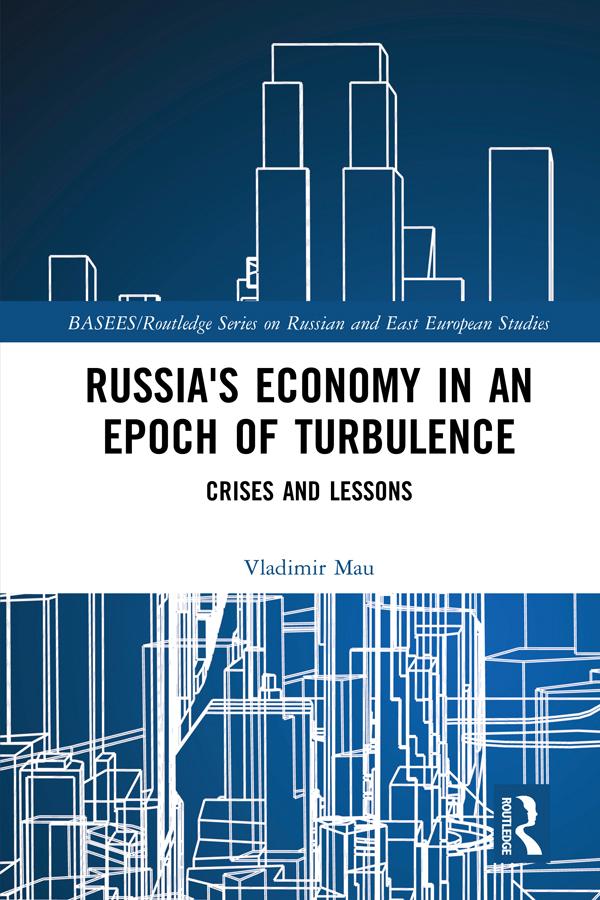
Over the course of the last thirty years post-communist Russia has either been struggling with crises, discussing the lessons learned from past crises, or attempting to trace the contours of future crises. Based on the author’s own experiences and his research over this long period, this book traces the logic of the development of the crises and the anti-crisis policies, and shows the continuity, or discontinuity, in determining particular solutions. It demonstrates how perceptions of the priorities for economic policy, and the problems of economic growth and the formation of a new model and its alternatives were formed and how they changed. It also outlines the evolution of ideas about the role of social politics and human capital sectors in addressing anti-crisis and modernization issues, and discusses the changing views on the institutional and structural priorities for Russia’s development. This is an important book on an economic subject of crucial global significance by a leading participant.
Betal nemt med kort, Klarna, Apple Pay eller Google Pay. Ikke tilfreds? Du har altid 14 dages fortrydelsesret. Læs mere i vores vilkår. Har du spørgsmål, så send os en mail på hello@memmo.org.
Memmo gør det nemmere at studere – uanset hvor du er i verden. Hos os samler du dine kursusbøger og smarte studieværktøjer ét sted: resuméer, quizzer, podcasts og flashcards. Og så er der Ted, din studieven, der svarer på alt, du undrer dig over. Over 50 000 studerende studerer allerede her – bygget til at hjælpe dig med at lære hurtigere og stresse mindre.