
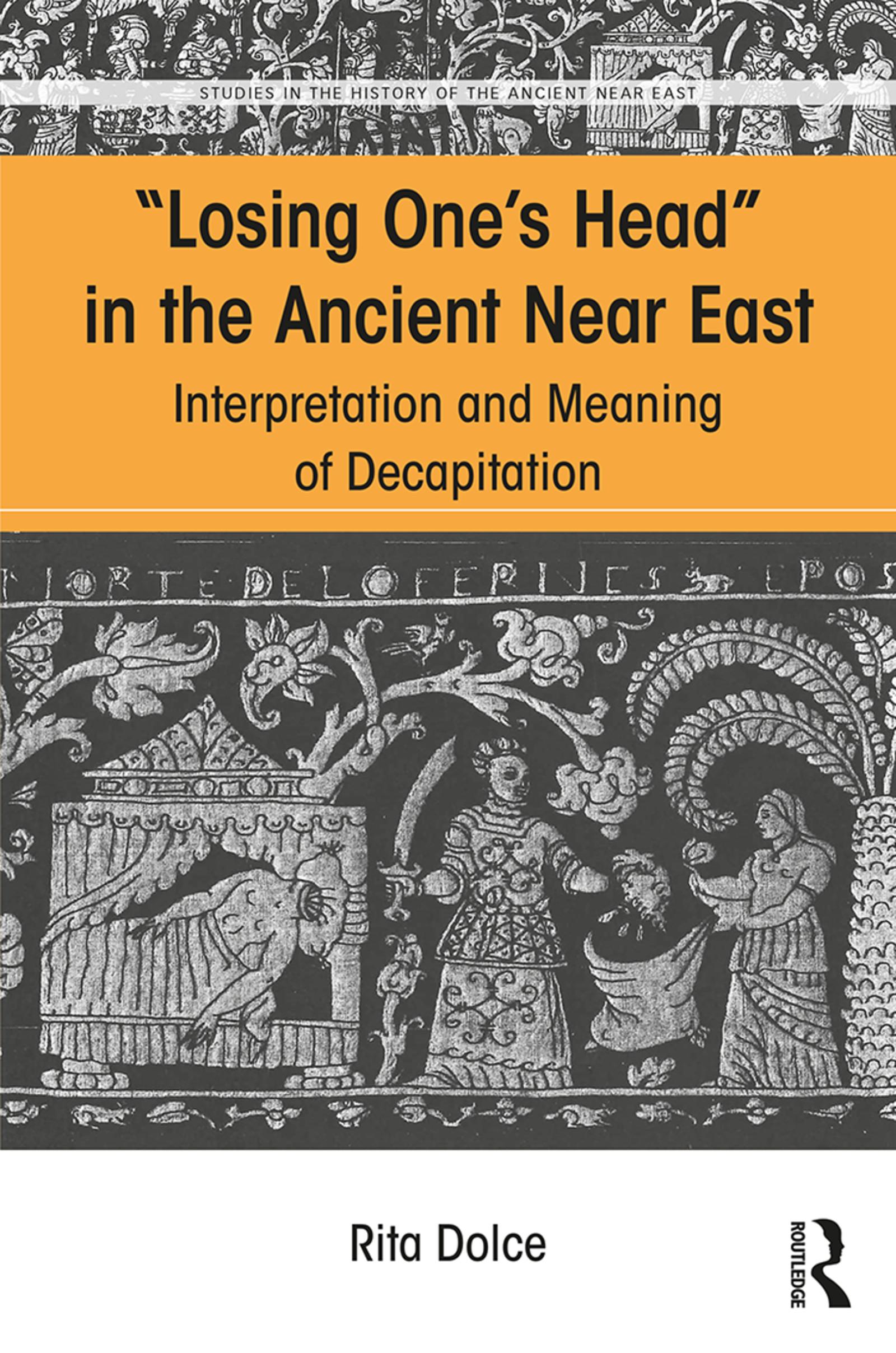
In the Ancient Near East, cutting off someone’s head was a unique act, not comparable to other types of mutilation, and therefore charged with a special symbolic and communicative significance. This book examines representations of decapitation in both images and texts, particularly in the context of war, from a trans-chronological perspective that aims to shed light on some of the conditions, relationships and meanings of this specific act. The severed head is a “coveted object” for the many individuals who interact with it and determine its fate, and the act itself appears to take on the hallmarks of a ritual. Drawing mainly on the evidence from Anatolia, Syria and Mesopotamia between the third and first millennia BC, and with reference to examples from prehistory to the Neo-Assyrian Period, this fascinating study will be of interest not only to art historians, but to anyone interested in the dynamics of war in the ancient world.
Betal nemt med kort, Klarna, Apple Pay eller Google Pay. Ikke tilfreds? Du har altid 14 dages fortrydelsesret. Læs mere i vores vilkår. Har du spørgsmål, så send os en mail på hello@memmo.org.
Memmo gør det nemmere at studere – uanset hvor du er i verden. Hos os samler du dine kursusbøger og smarte studieværktøjer ét sted: resuméer, quizzer, podcasts og flashcards. Og så er der Ted, din studieven, der svarer på alt, du undrer dig over. Over 50 000 studerende studerer allerede her – bygget til at hjælpe dig med at lære hurtigere og stresse mindre.