
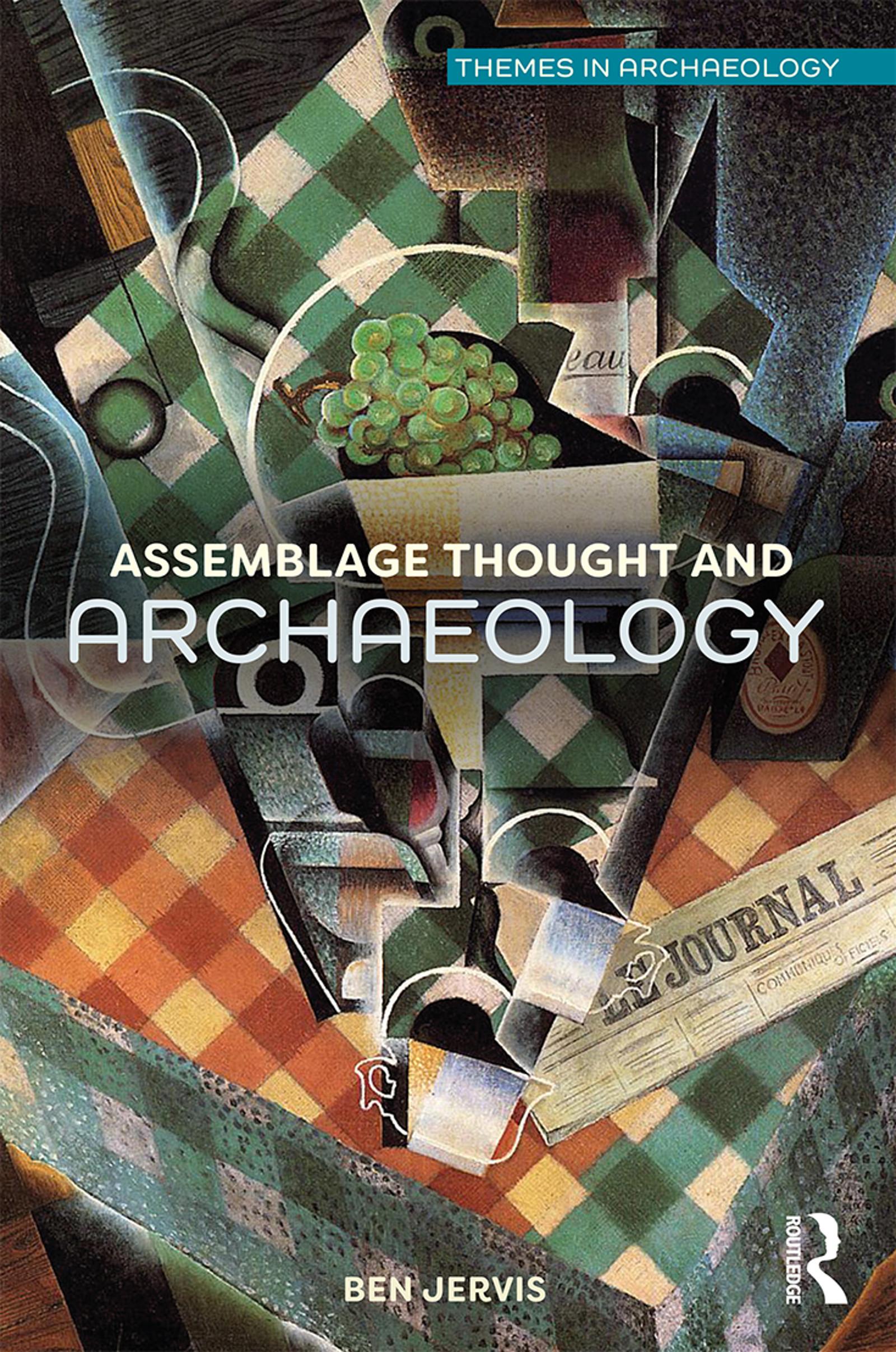
From examinations of prehistoric burial to understanding post-industrial spaces and heritage practices, the writing of Gilles Deleuze and Felix Guattari is gaining increasing importance within archaeological thought. Their concept of ‘assemblages’ allows us to explore the past in new ways, by placing an emphasis on difference rather than similarity, on fluidity rather stasis and unpredictability rather than reproduceable models.
Assemblage Thought and Archaeology applies the notion of assemblage to specific archaeological case studies, ranging from early urbanism in Mesopotamia to 19th century military fortifications. It introduces the concept of assemblage within the context of the wider ‘material turn’ in the social sciences, examines its implications for studying materials and urban settlements, and explores its consequences for the practice of archaeological research and heritage management.
This innovative book will be of particular interest to postgraduate students of archaeological theory and researchers looking to understand this latest trend in archaeological thought, although the case studies will also have appeal to those whose work focusses on material culture, settlement archaeology and archaeological practice.
Betal nemt med kort, Klarna, Apple Pay eller Google Pay. Ikke tilfreds? Du har altid 14 dages fortrydelsesret. Læs mere i vores vilkår. Har du spørgsmål, så send os en mail på hello@memmo.org.
Memmo gør det nemmere at studere – uanset hvor du er i verden. Hos os samler du dine kursusbøger og smarte studieværktøjer ét sted: resuméer, quizzer, podcasts og flashcards. Og så er der Ted, din studieven, der svarer på alt, du undrer dig over. Over 50 000 studerende studerer allerede her – bygget til at hjælpe dig med at lære hurtigere og stresse mindre.