
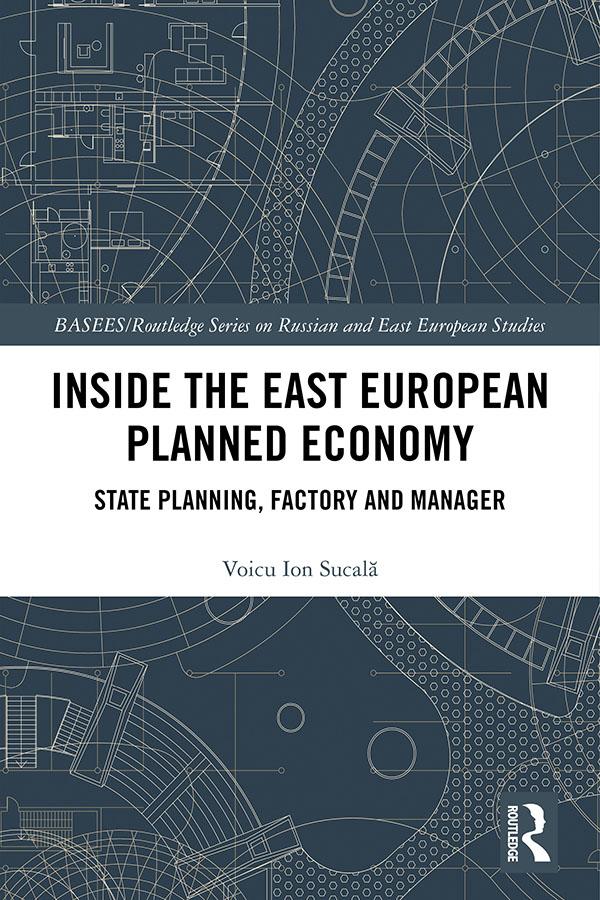
This book puts forward a new perspective on the planned economies of communist Eastern Europe, demonstrating in detail how economic practice in such countries was shaped by the interplay among planners, managers and Party apparatchiks. Based on extensive original research, including interviews with former employees of industrial enterprises, the book argues that shortages, chronic over-capacities and erroneous planning decisions were present from the very beginning, rather than the consequences of later plan mistakes. They were the natural outcome of a profound conflict between leaders’ attempt to adapt the basic laws of economics to their ideology and interests, and the requirements for rational bureaucracy of an increasingly sophisticated economy. The book discusses the evolution of and debates about the planned economy, considers the practice of plan development and implementation, and provides very detailed examples of how the planned economy actually worked at the level of the factory, at the point where plans and managers interacted with workers and production.
Betal nemt med kort, Klarna, Apple Pay eller Google Pay. Ikke tilfreds? Du har altid 14 dages fortrydelsesret. Læs mere i vores vilkår. Har du spørgsmål, så send os en mail på hello@memmo.org.
Memmo gør det nemmere at studere – uanset hvor du er i verden. Hos os samler du dine kursusbøger og smarte studieværktøjer ét sted: resuméer, quizzer, podcasts og flashcards. Og så er der Ted, din studieven, der svarer på alt, du undrer dig over. Over 50 000 studerende studerer allerede her – bygget til at hjælpe dig med at lære hurtigere og stresse mindre.