
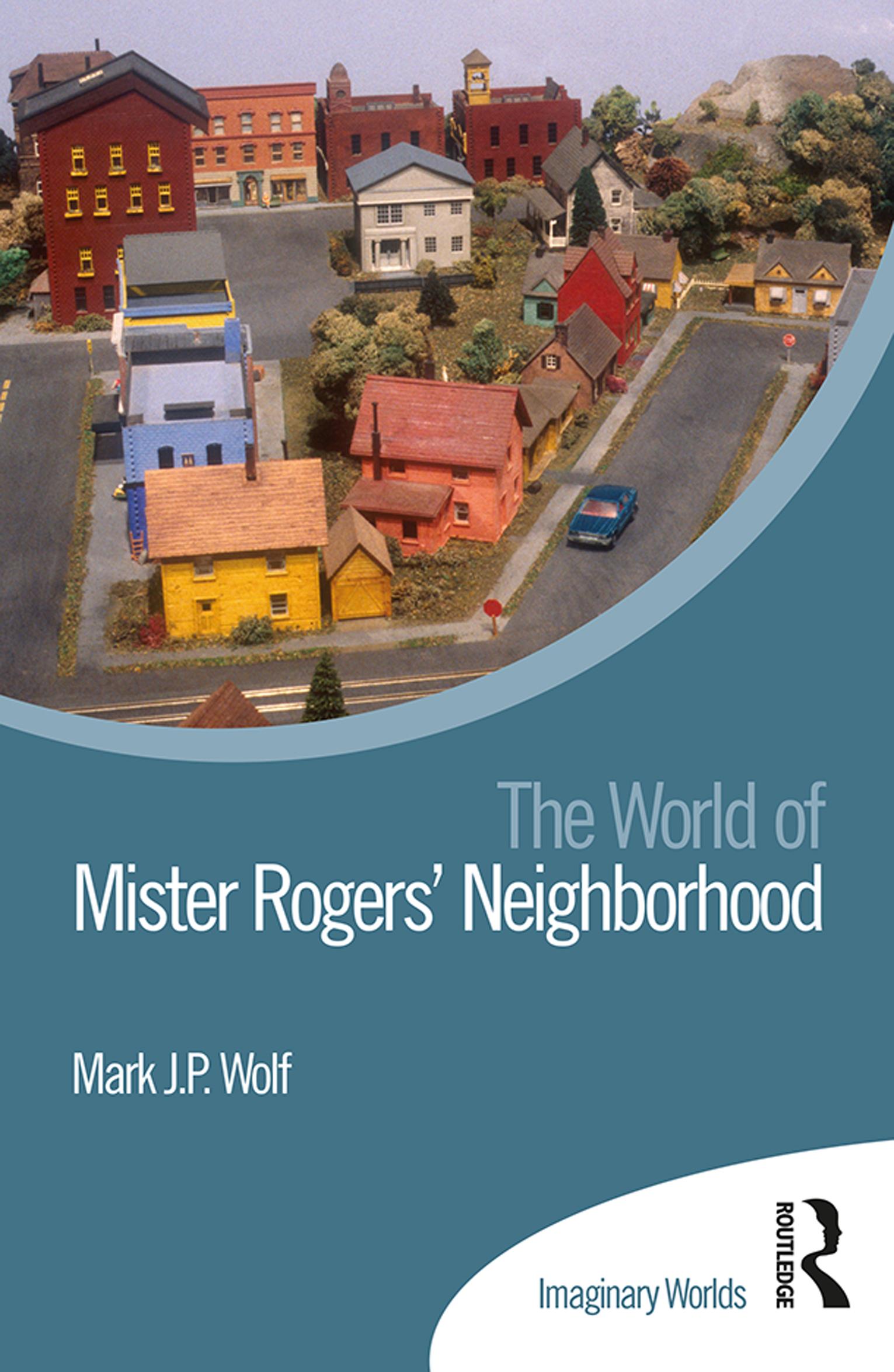
Unlike many children’s television shows, Mister Rogers’ Neighborhood did more than simply entertain or occupy children’s attention. The show educated them in the affective domain, encouraging such things as appreciation for difference, collaboration, self-expression, and self-worth. It also introduced them to the areas of culture, art, and music through guests, trips, art objects and processes, and demonstrations, making it accessible and meaningful in a way that a child could understand. While the educational content of children’s television programming has improved greatly since the late 1960s, no other children’s program has ever attempted such a mix of high art, low art, folk art, industrial production, learning in the affective and social domains, and more, all with a whimsical sense of humor, insight, and a level of interconnected detail unmatched by any other children’s television program. This book illuminates and examines the world of Mister Rogers' Neighborhood through world design, narrative, genre, form, content, authorship, reception and more.
Betal nemt med kort, Klarna, Apple Pay eller Google Pay. Ikke tilfreds? Du har altid 14 dages fortrydelsesret. Læs mere i vores vilkår. Har du spørgsmål, så send os en mail på hello@memmo.org.
Memmo gør det nemmere at studere – uanset hvor du er i verden. Hos os samler du dine kursusbøger og smarte studieværktøjer ét sted: resuméer, quizzer, podcasts og flashcards. Og så er der Ted, din studieven, der svarer på alt, du undrer dig over. Over 50 000 studerende studerer allerede her – bygget til at hjælpe dig med at lære hurtigere og stresse mindre.