
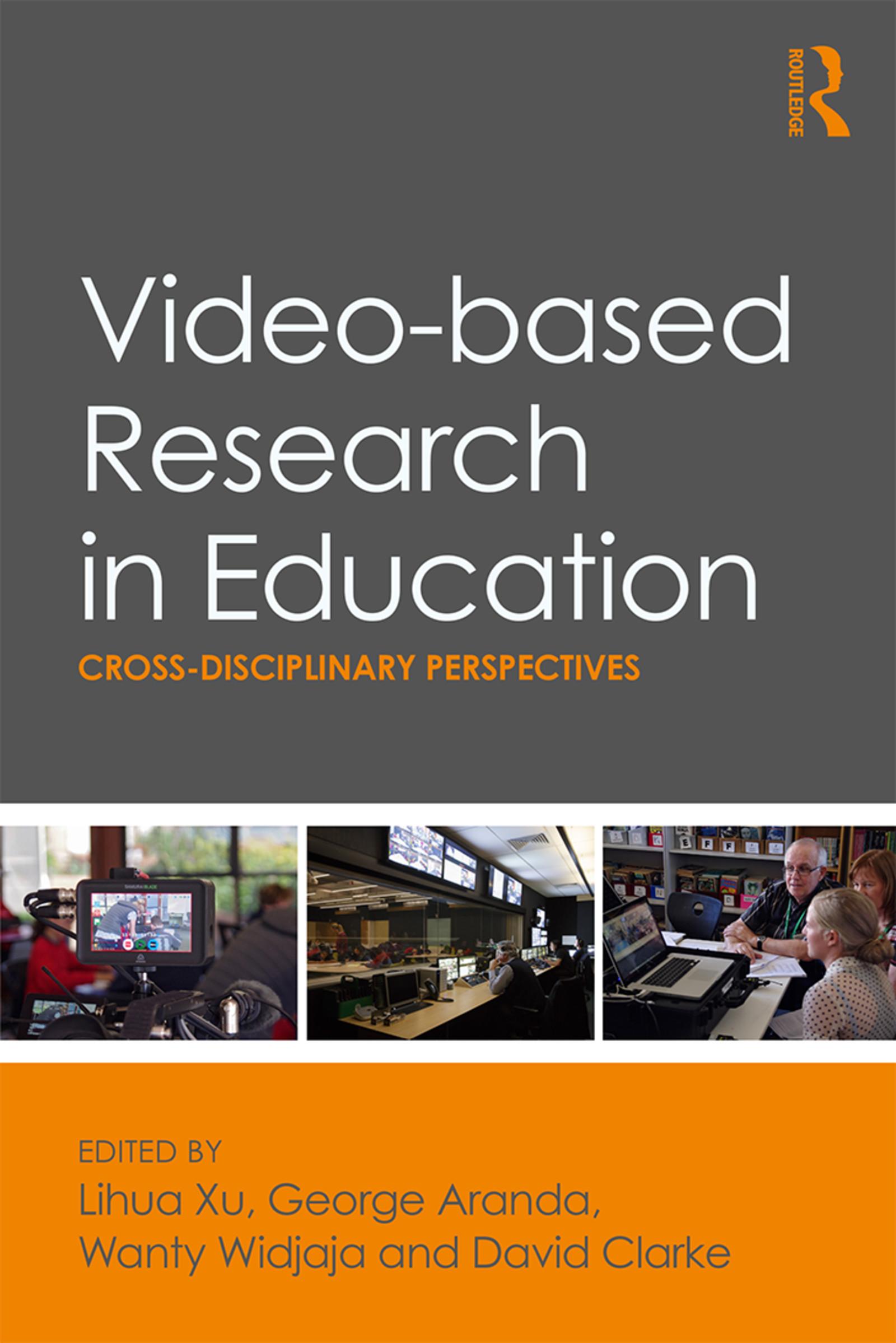
The rapid development of video technology in the last decade has changed the ways in which people communicate, how they learn, and how research is done. Video technology offers rich potential in capturing complex social interactions over a prolonged period of time and in supporting teacher professional learning and development.
This book explores the ontological, epistemological, methodological, and ethical challenges associated with the different uses of video in research, ranging from video as a tool for investigating social interactions and for stimulating participants’ reflection, to the use of video for engaging varied communities and social groups in the process of teaching, learning and research. Each chapter presents the authors’ critical reflection on the ways in which video was employed, the research decisions made, the methodological challenges faced, and the consequences for how educational practices were understood. As such, it illustrates a wide range of philosophical and theoretical standpoints with respect to video-based research approaches.
This book will stimulate broad and rich discussion among education researchers who are interested in video research and contributes to: advancing knowledge of the field; developing approaches to dealing with emergent ethical, theoretical, and methodological issues; and generating new protocols and guidelines for conducting video-based research across a variety of disciplinary areas in education.
Betal nemt med kort, Klarna, Apple Pay eller Google Pay. Ikke tilfreds? Du har altid 14 dages fortrydelsesret. Læs mere i vores vilkår. Har du spørgsmål, så send os en mail på hello@memmo.org.
Memmo gør det nemmere at studere – uanset hvor du er i verden. Hos os samler du dine kursusbøger og smarte studieværktøjer ét sted: resuméer, quizzer, podcasts og flashcards. Og så er der Ted, din studieven, der svarer på alt, du undrer dig over. Over 50 000 studerende studerer allerede her – bygget til at hjælpe dig med at lære hurtigere og stresse mindre.