
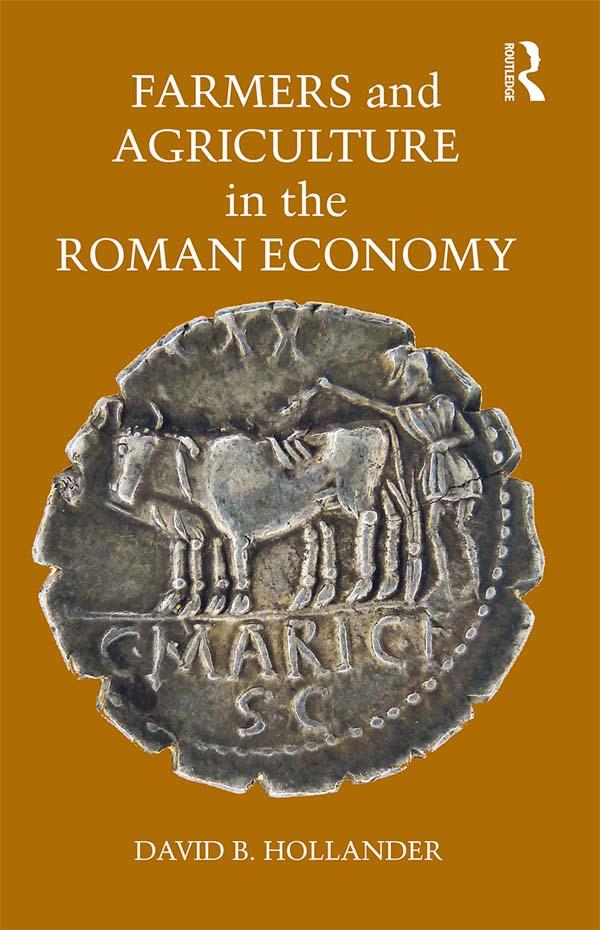
Often viewed as self-sufficient, Roman farmers actually depended on markets to supply them with a wide range of goods and services, from metal tools to medical expertise. However, the nature, extent, and implications of their market interactions remain unclear. This monograph uses literary and archaeological evidence to examine how farmers – from smallholders to the owners of large estates – bought and sold, lent and borrowed, and cooperated as well as competed in the Roman economy. A clearer picture of the relationship between farmers and markets allows us to gauge their collective impact on, and exposure to, macroeconomic phenomena such as monetization and changes in the level and nature of demand for goods and labor. After considering the demographic and environmental context of Italian agriculture, the author explores three interrelated questions: what goods and services did farmers purchase; how did farmers acquire the money with which to make those purchases; and what factors drove farmers’ economic decisions? This book provides a portrait of the economic world of the Roman farmer in late Republican and early Imperial Italy.
Betal nemt med kort, Klarna, Apple Pay eller Google Pay. Ikke tilfreds? Du har altid 14 dages fortrydelsesret. Læs mere i vores vilkår. Har du spørgsmål, så send os en mail på hello@memmo.org.
Memmo gør det nemmere at studere – uanset hvor du er i verden. Hos os samler du dine kursusbøger og smarte studieværktøjer ét sted: resuméer, quizzer, podcasts og flashcards. Og så er der Ted, din studieven, der svarer på alt, du undrer dig over. Over 50 000 studerende studerer allerede her – bygget til at hjælpe dig med at lære hurtigere og stresse mindre.