
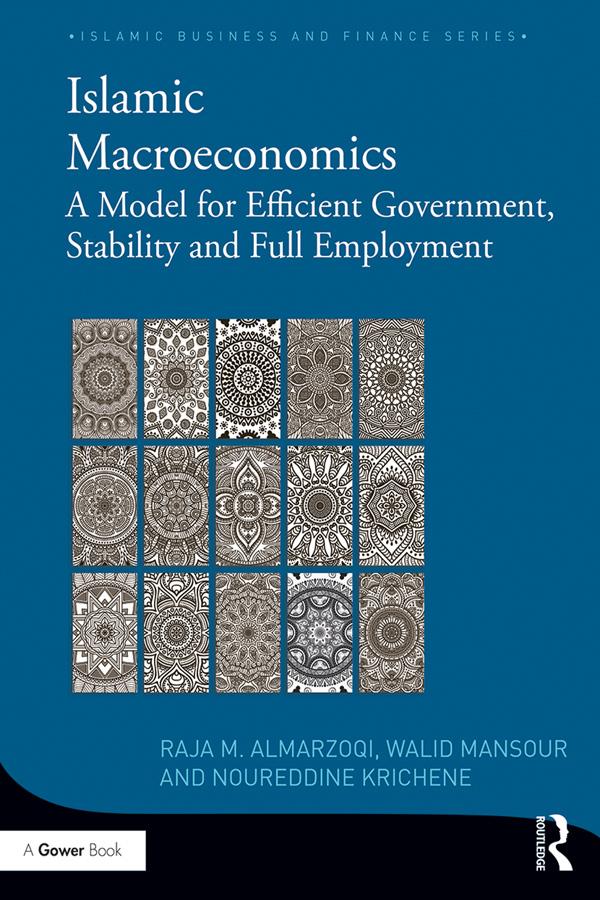
Islamic Macroeconomics proposes an Islamic model that offers significant prospects for economic growth and durable macroeconomic stability, and which is immune to the defects of the economic models prevailing both in developed and developing countries. An Islamic model advocates a limited government confined to its natural duties of defence, justice, education, health, infrastructure, regulation, and welfare of the vulnerable population. It prohibits interest-based debt and money, and requires full liberalization of all markets including labor, financial, commodity, trade, and foreign exchange markets. The government should be Sharia-compliant in its taxation power and regulatory intervention; it ought to reduce unproductive spending in favor of productive spending.
This book is essential reading for students and academics of Islamic economics and finance, economists, practitioners, and researchers.
Betal nemt med kort, Klarna, Apple Pay eller Google Pay. Ikke tilfreds? Du har altid 14 dages fortrydelsesret. Læs mere i vores vilkår. Har du spørgsmål, så send os en mail på hello@memmo.org.
Memmo gør det nemmere at studere – uanset hvor du er i verden. Hos os samler du dine kursusbøger og smarte studieværktøjer ét sted: resuméer, quizzer, podcasts og flashcards. Og så er der Ted, din studieven, der svarer på alt, du undrer dig over. Over 50 000 studerende studerer allerede her – bygget til at hjælpe dig med at lære hurtigere og stresse mindre.