
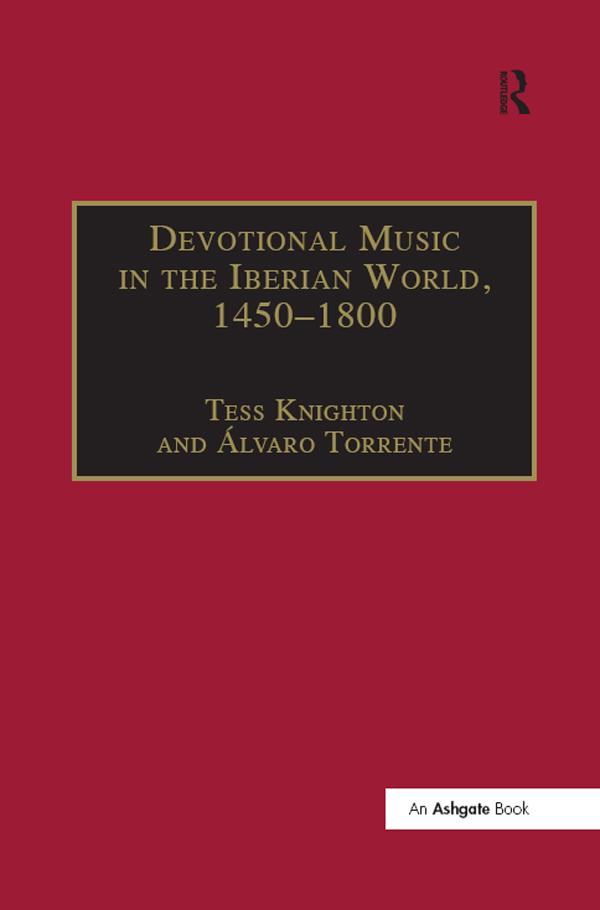
From the fifteenth century to the beginning of the nineteenth century, devotional music played a fundamental role in the Iberian world. Songs in the vernacular, usually referred to by the generic name of 'villancico', but including forms as varied as madrigals, ensaladas, tonos, cantatas or even oratorios, were regularly performed at many religious feasts in major churches, royal and private chapels, convents and in monasteries. These compositions appear to have progressively fulfilled or supplemented the role occupied by the Latin motet in other countries and, as they were often composed anew for each celebration, the surviving sources vastly outnumber those of Latin compositions; they can be counted in tens of thousands. The close relationship with secular genres, both musical, literary and performative, turned these compositions into a major vehicle for dissemination of vernacular styles throughout the Iberian world. This model of musical production was also cultivated in Portugal and rapidly exported to the Spanish and Portuguese colonies in America and Asia. In many cases, the villancico repertory represents the oldest surviving source of music produced in these regions, thus affording it a primary role in the construction of national identities. The sixteen essays in this volume explore the development of devotional music in the Iberian world in this period, providing the first broad-based survey of this important genre.
Betal nemt med kort, Klarna, Apple Pay eller Google Pay. Ikke tilfreds? Du har altid 14 dages fortrydelsesret. Læs mere i vores vilkår. Har du spørgsmål, så send os en mail på hello@memmo.org.
Memmo gør det nemmere at studere – uanset hvor du er i verden. Hos os samler du dine kursusbøger og smarte studieværktøjer ét sted: resuméer, quizzer, podcasts og flashcards. Og så er der Ted, din studieven, der svarer på alt, du undrer dig over. Over 50 000 studerende studerer allerede her – bygget til at hjælpe dig med at lære hurtigere og stresse mindre.
Du kan måske også lide
Køb bogen0