
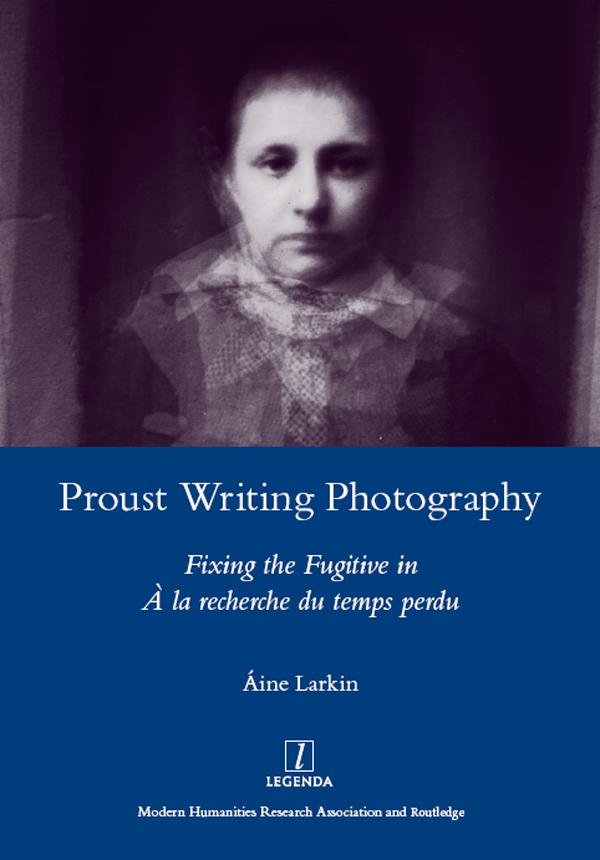
The importance of vision and visual arts such as painting, theatre, and sculpture in Marcel Proust's A la recherche du temps perdu has long been affirmed; another significant system of visual representation in the novel is photography. Proust appropriated photography as a practice with its own distinctive characteristics which could inform his writing about the processes of perception and memory. Through close textual analysis of scenes where photography is experienced or observed as a practice, and scenes where photography is written into the body of the text, Aine Larkin offers an invigorating new study that sheds genuinely new light on the presence of photographic motifs in Proust's novel, and the subtlety of Proust's engagement with this modern imaging system in his work.
Betal nemt med kort, Klarna, Apple Pay eller Google Pay. Ikke tilfreds? Du har altid 14 dages fortrydelsesret. Læs mere i vores vilkår. Har du spørgsmål, så send os en mail på hello@memmo.org.
Memmo gør det nemmere at studere – uanset hvor du er i verden. Hos os samler du dine kursusbøger og smarte studieværktøjer ét sted: resuméer, quizzer, podcasts og flashcards. Og så er der Ted, din studieven, der svarer på alt, du undrer dig over. Over 50 000 studerende studerer allerede her – bygget til at hjælpe dig med at lære hurtigere og stresse mindre.
Du kan måske også lide
Køb bogen0