
Før Memmo var mine noter spredt ud over PDF'er. Nu samler et workspace alt ét sted – og jeg ser præcis, hvad der er tilbage at læse op på.
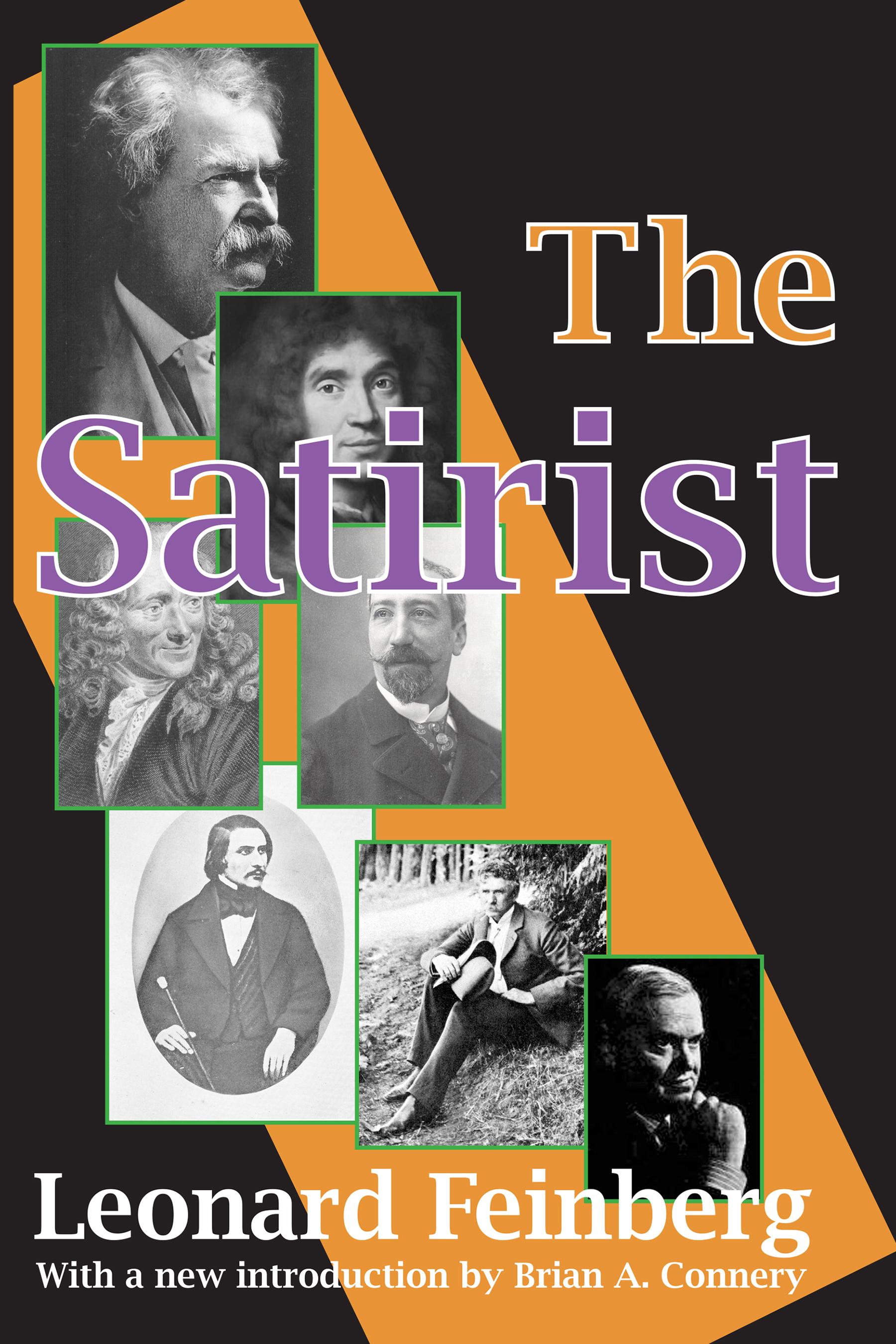
Satire takes as its subject the absurdity of human beings, their societies, and the institutions they create. For centuries, satirists themselves, scholars, critics, and psychologists have speculated about the satirist's reasons for writing, temperament, and place in society. The conclusions they have reached are sometimes contradictory, sometimes complementary, sometimes outlandish. In this volume, Leonard Feinberg brings together the major theories about the satirist, to provide in one book a summary of the problems that specialists have examined intensively in numerous books and articles.
In part 1, Feinberg examines the major theories about the motivation of the satirist, and then proposes that "adjustment" comes most closely to answering this question. In his view, the satirist resolves his ambivalent relation to society through a playfully critical distortion of the familiar. The personality of the satirist, the apparently paradoxical elements of his nature, the problem of why so many great humorists are sad men, and the contributions of psychoanalysts are explored in part 2, where Feinberg contends that the satirist is not as abnormal as he has sometimes been made to seem, and that if he is a neurotic he shares traits of emotional or social alienation with many others. Part 3 explores the beliefs of satirists and their relation to the environment within which they function, particularly in the contexts of politics, religion, and philosophy. Feinberg stresses the ubiquity of the satirist and suggests that there are a great many people with satiric temperaments who fail to attain literary expression.
Ranging with astonishing breadth, both historical and geographical, The Satirist serves as both an introduction to the subject and an essential volume for scholars. Brian A. Connery's introduction provides an overview of Feinberg's career and situates the volume in the intellectual currents in which it was written.
Før Memmo var mine noter spredt ud over PDF'er. Nu samler et workspace alt ét sted – og jeg ser præcis, hvad der er tilbage at læse op på.
Memmos opsummeringer er guld inden eksamen. Jeg slipper for at genlæse 800 sider to uger før – kun de vigtigste dele.
AI-chatten har reddet mig aftenen før en eksamen mere end én gang. Jeg spørger, indtil jeg forstår det – og slipper for at vente på svar i en studiegruppe.
Quizzen rammer præcis det, jeg skal kunne. Memmo holder øje med, hvad jeg har svært ved – så jeg øver mig kun på det, der er det værd.
Flashcards med spaced repetition er magi. Memmo ved, når jeg er ved at glemme noget, og viser det igen.
AI-podcasts er min favorit. Jeg lytter på vej til skole og får en opsummering uden at sidde foran en computer.

Handbok i kvalitativa metoder
281 kr

Hållbar utveckling: en introduktion för ingenjörer och andra problemlösare
334 kr

Brymans Samhällsvetenskapliga metoder
390 kr

Projektledning
491 kr

Den orättvisa hälsan: om socioekonomiska skillnader i hälsa och livslängd
326 kr

Organizational Leadership
429 kr

Vetenskapsteori för nybörjare
196 kr

På väg mot läraryrket
172 kr

Det sociala livet i skolan: Socialpsykologiska perspektiv
253 kr

Betygsättningens didaktik
151 kr

Personality
402 kr

Studying Leadership
404 kr

Managing Innovation
477 kr

Introduktion till samhällsvetenskaplig metod
347 kr

The Psychology of Sex and Gender
698 kr

Introduction to Leadership
605 kr

Evidens och kunskap för socialt arbete
207 kr