
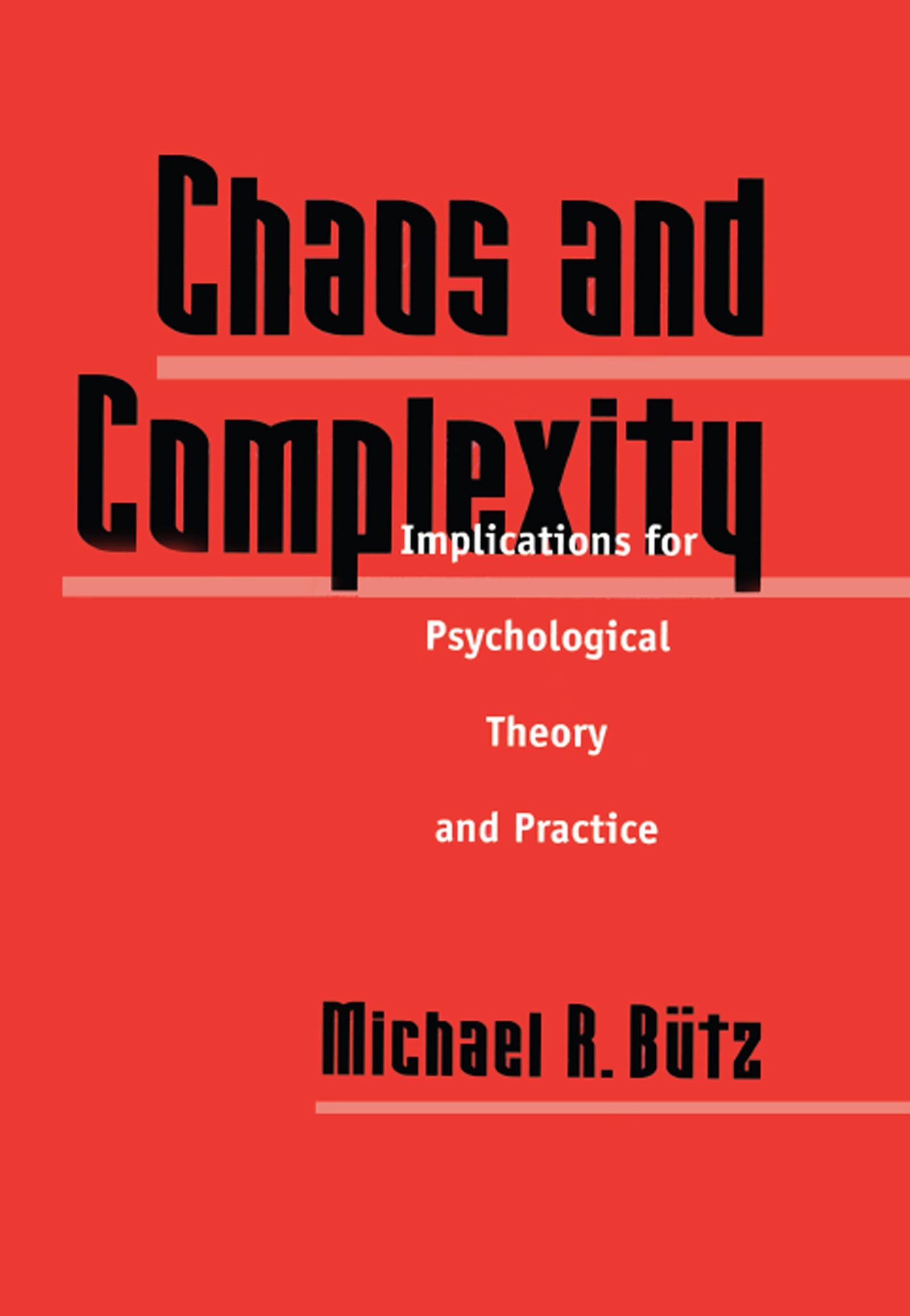
The nature of this book is to emphasize the inherent complexity and richness of the human experience of change. Now, the author believes there to be an acceptable "scientific" explanation for this phenomona. Explored here are 30 years of studies to describe nonlinear dynamics, today termed either chaos theory or complexity theory. The connotations of both theories are discussed at length. Offering social scientists validation in their attempts to describe and define phenomona of a previously ineffable nature, this book explores chaos' implications for psychology and the social sciences. It describes the benefits psychology can glean from using ideas in chaos theory and applying them to psychology in general, individual psycho-therapy, couples therapy, and community psychology, and also considers possible directions for research and application.
Betal nemt med kort, Klarna, Apple Pay eller Google Pay. Ikke tilfreds? Du har altid 14 dages fortrydelsesret. Læs mere i vores vilkår. Har du spørgsmål, så send os en mail på hello@memmo.org.
Memmo gør det nemmere at studere – uanset hvor du er i verden. Hos os samler du dine kursusbøger og smarte studieværktøjer ét sted: resuméer, quizzer, podcasts og flashcards. Og så er der Ted, din studieven, der svarer på alt, du undrer dig over. Over 50 000 studerende studerer allerede her – bygget til at hjælpe dig med at lære hurtigere og stresse mindre.
Du kan måske også lide
Køb bogen0