
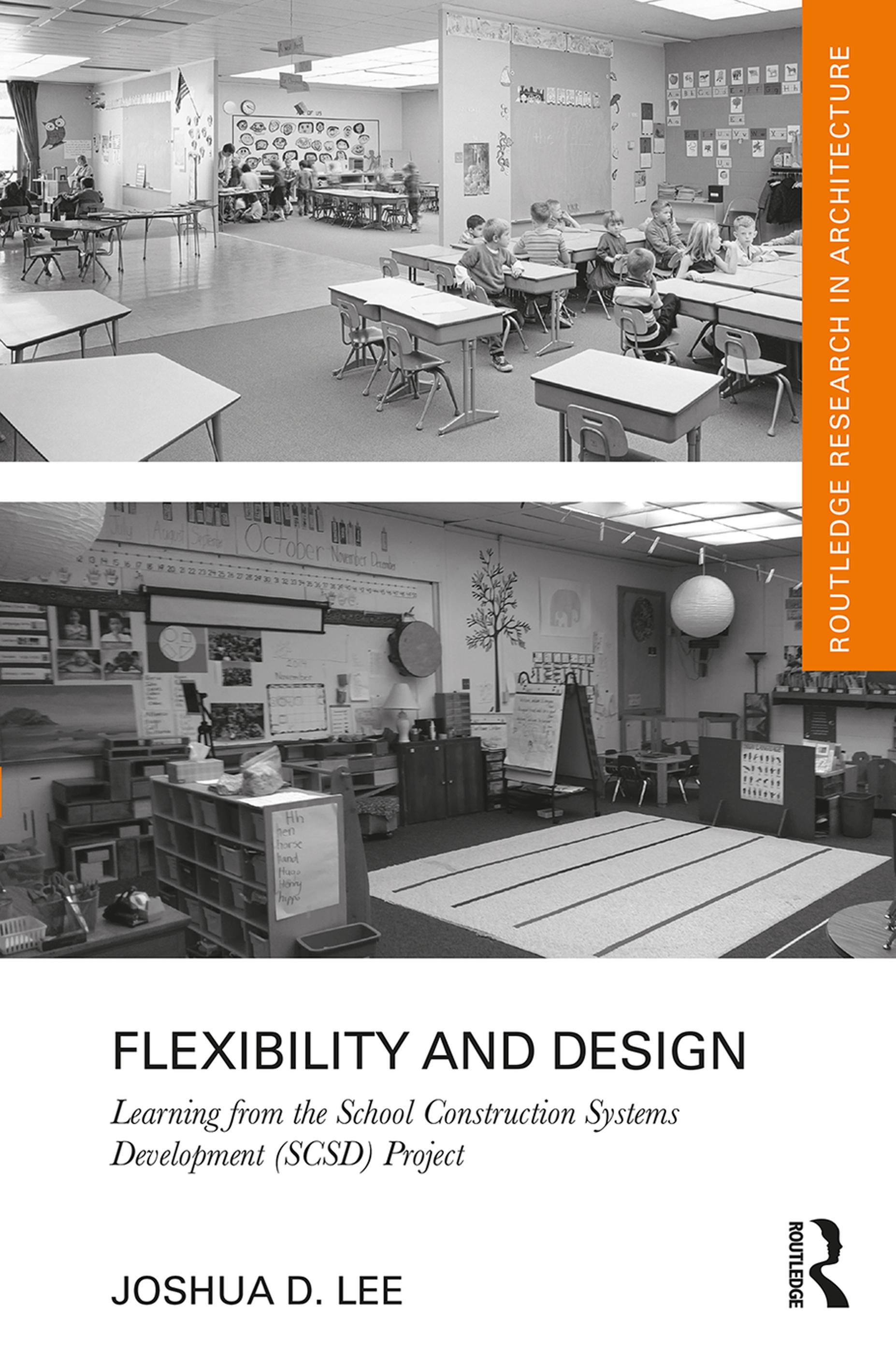
This book questions flexibility as a design approach by providing a longitudinal analysis of an innovative architectural experiment called the School Construction Systems Development (SCSD) project. The SCSD pioneered the use of performance specifications to create an open, prefabricated, and integrated system of building components that provided four modes of flexibility. Educational facilities throughout California used the SCSD system and it spawned a variety of similar projects throughout North America. This book traces the development and subsequent use of the system over 50 years through archival research, personal observations, re-photography, re-surveying, plan evaluations, interviews, and an advertisement analysis. These new findings provide useful insights for architects, educators, historic preservationists, and others about the affordances of spatial flexibility, the difficulties associated with technological transfer, the impact of unstable market conditions, the importance of user input during the planning process, and the need for long-term social relations to sustain architectural experiments.
Betal nemt med kort, Klarna, Apple Pay eller Google Pay. Ikke tilfreds? Du har altid 14 dages fortrydelsesret. Læs mere i vores vilkår. Har du spørgsmål, så send os en mail på hello@memmo.org.
Memmo gør det nemmere at studere – uanset hvor du er i verden. Hos os samler du dine kursusbøger og smarte studieværktøjer ét sted: resuméer, quizzer, podcasts og flashcards. Og så er der Ted, din studieven, der svarer på alt, du undrer dig over. Over 50 000 studerende studerer allerede her – bygget til at hjælpe dig med at lære hurtigere og stresse mindre.