
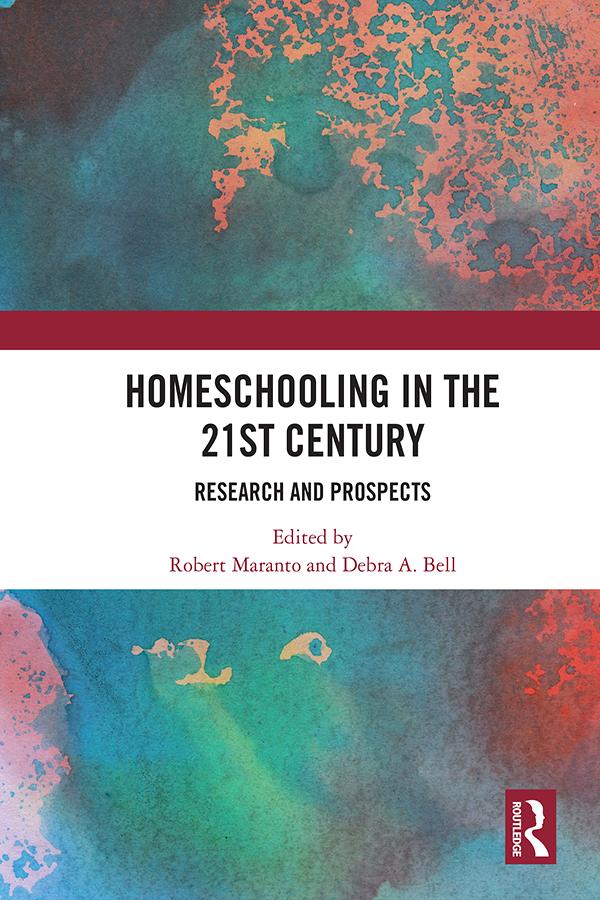
Education began on the most intimate levels: the family and the community. With industrialization, education became professionalized and bureaucratized, typically conducted in schools rather than homes. Over the past half century, however, schooling has increasingly returned home, both in the United States and across the globe. This reflects several trends, including greater affluence and smaller family size leading parents to focus more on child well-being; declining faith in professionals (including educators); and the Internet, whose resources facilitate home education. In the United States, students who are homeschooled for at least part of their childhood outnumber those in charter schools. Yet remarkably little research addresses homeschooling.
This book brings together work from 20 researchers, addressing a range of homeschooling topics, including the evolving legal and institutional frameworks behind home education; why some parents make this choice; home education educational environments; special education; and outcomes regarding both academic achievement and political tolerance. In short, this book offers the most up-to-date research to guide policy makers and home educators, a matter of great importance given the agenda of the current presidential administration.
The chapters in this book were originally published as articles in the Journal of School Choice.
Betal nemt med kort, Klarna, Apple Pay eller Google Pay. Ikke tilfreds? Du har altid 14 dages fortrydelsesret. Læs mere i vores vilkår. Har du spørgsmål, så send os en mail på hello@memmo.org.
Memmo gør det nemmere at studere – uanset hvor du er i verden. Hos os samler du dine kursusbøger og smarte studieværktøjer ét sted: resuméer, quizzer, podcasts og flashcards. Og så er der Ted, din studieven, der svarer på alt, du undrer dig over. Over 50 000 studerende studerer allerede her – bygget til at hjælpe dig med at lære hurtigere og stresse mindre.