
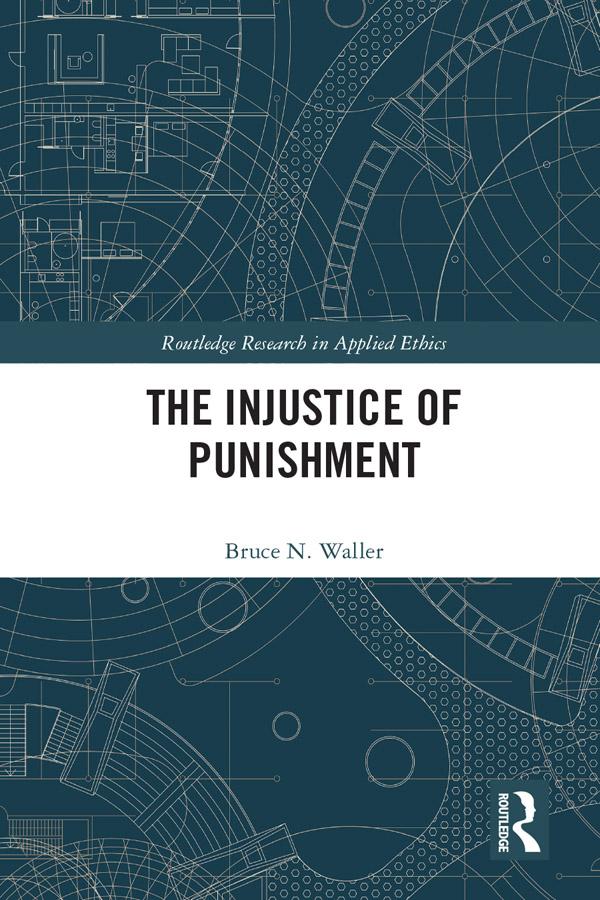
The Injustice of Punishment emphasizes that we can never make sense of moral responsibility while also acknowledging that punishment is sometimes unavoidable. Recognizing both the injustice and the necessity of punishment is painful but also beneficial. It motivates us to find effective means of minimizing both the use and severity of punishment, and encourages deeper inquiry into the causes of destructive behavior and how to change those causes in order to reduce the need for punishment. There is an emerging alternative to the comfortable but destructive system of moral responsibility and just deserts. That alternative is not the creation of philosophers but of sociologists, criminologists, psychologists, and workplace engineers; it was developed, tested, and employed in factories, prisons, hospitals, and other settings; and it is writ large in the practices of cultures that minimize belief in individual moral responsibility. The alternative marks a promising path to less punishment, less coercive control, deeper common commitment, and more genuine freedom.
Betal nemt med kort, Klarna, Apple Pay eller Google Pay. Ikke tilfreds? Du har altid 14 dages fortrydelsesret. Læs mere i vores vilkår. Har du spørgsmål, så send os en mail på hello@memmo.org.
Memmo gør det nemmere at studere – uanset hvor du er i verden. Hos os samler du dine kursusbøger og smarte studieværktøjer ét sted: resuméer, quizzer, podcasts og flashcards. Og så er der Ted, din studieven, der svarer på alt, du undrer dig over. Over 50 000 studerende studerer allerede her – bygget til at hjælpe dig med at lære hurtigere og stresse mindre.