
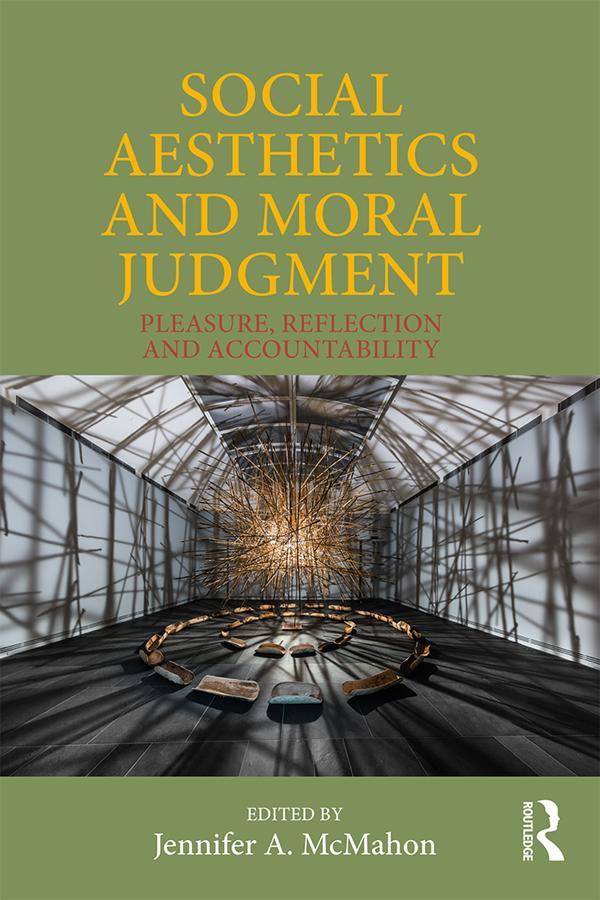
This edited collection sets forth a new understanding of aesthetic-moral judgment organized around three key concepts: pleasure, reflection, and accountability. The overarching theme is that art is not merely a representation or expression like any other, but that it promotes shared moral understanding and helps us engage in meaning-making. This volume offers an alternative to brain-centric and realist approaches to aesthetics. It features original essays from a number of leading philosophers of art, aesthetics, ethics, and perception, including Elizabeth Burns Coleman, Garrett Cullity, Cynthia A. Freeland, Ivan Gaskell, Paul Guyer, Jane Kneller, Keith Lehrer, Mohan Matthen, Jennifer A. McMahon, Bence Nanay, Nancy Sherman, and Robert Sinnerbrink.
Part I of the book analyses the elements of aesthetic experience—pleasure, preference, and imagination—with the individual conceived as part of a particular cultural context and network of other minds. The chapters in Part II explain how it is possible for cultural learning to impact these elements through consensus building, an impulse to objectivity, emotional expression, and reflection. Finally, the chapters in Part III converge on the role of dissonance, difference, and diversity in promoting cultural understanding and advancement.
Social Aesthetics and Moral Judgment will appeal to philosophers of art and aesthetics, as well as scholars in other disciplines interested in issues related to art and cultural exchange.
Betal nemt med kort, Klarna, Apple Pay eller Google Pay. Ikke tilfreds? Du har altid 14 dages fortrydelsesret. Læs mere i vores vilkår. Har du spørgsmål, så send os en mail på hello@memmo.org.
Memmo gør det nemmere at studere – uanset hvor du er i verden. Hos os samler du dine kursusbøger og smarte studieværktøjer ét sted: resuméer, quizzer, podcasts og flashcards. Og så er der Ted, din studieven, der svarer på alt, du undrer dig over. Over 50 000 studerende studerer allerede her – bygget til at hjælpe dig med at lære hurtigere og stresse mindre.