
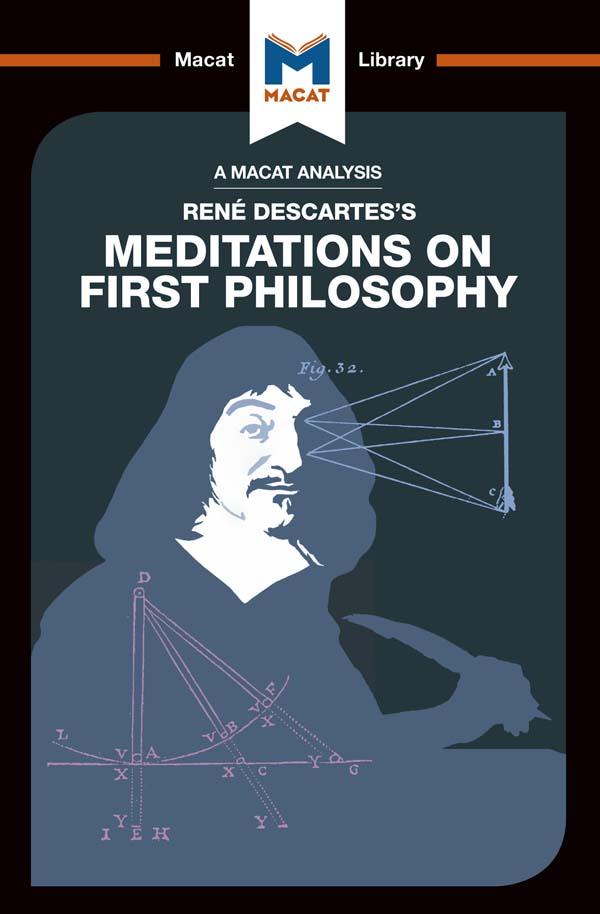
René Descartes’s 1641 Meditations on First Philosophy is a cornerstone of the history of western thought. One of the most important philosophical texts ever written, it is also a masterclass in the art of critical thinking – specifically when it comes to reasoning and interpretation.
Descartes sought to do nothing less than create a new foundation for the pursuit of knowledge – whether philosophical, scientific, or theological. To that end, he laid out a systematic programme that reinterpreted prior definitions of knowledge, and reasoned out a systematic means of obtaining, verifying, and building on existing human knowledge. To this end, Descartes created a definition of true knowledge as that which is based on things which cannot be called into doubt by radical scepticism. If, he suggests, we can find a belief that cannot be called into doubt, this will provide a solid foundation upon which we can build systematic reasoning. This ‘cartesian’ method, as it has come to be known, is a blueprint for reasoning that continues to shape the study of philosophy today: a careful weighing of possibilities, searching out solid ground and building on it step by step.
Betal nemt med kort, Klarna, Apple Pay eller Google Pay. Ikke tilfreds? Du har altid 14 dages fortrydelsesret. Læs mere i vores vilkår. Har du spørgsmål, så send os en mail på hello@memmo.org.
Memmo gør det nemmere at studere – uanset hvor du er i verden. Hos os samler du dine kursusbøger og smarte studieværktøjer ét sted: resuméer, quizzer, podcasts og flashcards. Og så er der Ted, din studieven, der svarer på alt, du undrer dig over. Over 50 000 studerende studerer allerede her – bygget til at hjælpe dig med at lære hurtigere og stresse mindre.