
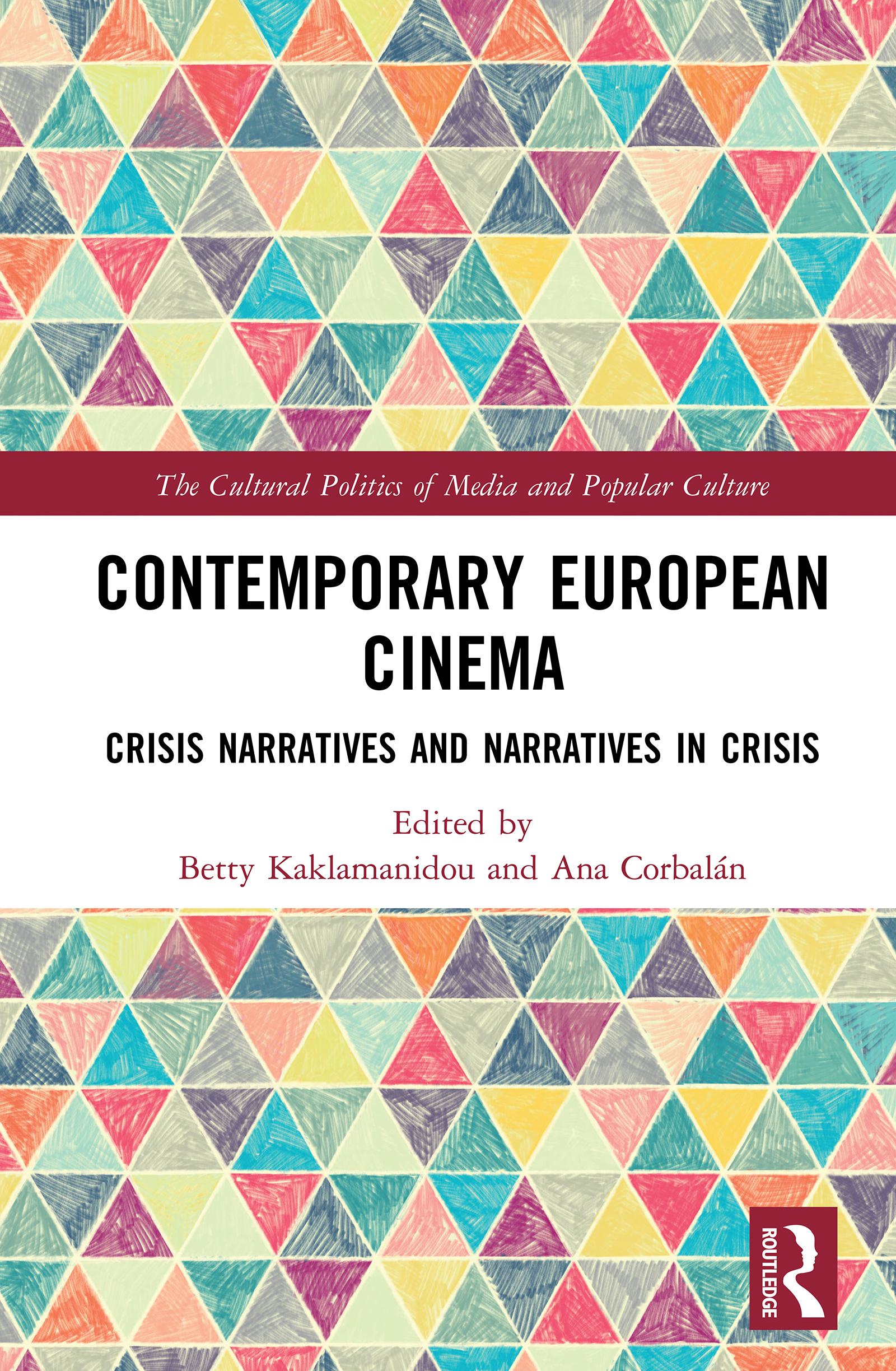
This book offers a range of accounts of the state of "European Cinema" in a specific sociopolitical era: that of the global economic crisis that began in 2008 and the more recent refugee and humanitarian crisis. With the recession having become a popular theme of economic, demographic, and sociological research in recent years, this volume examines representations of the crisis and its attendant market instability and mistrust of neoliberal political systems in film. It thus sheds light on the mediation, reimagination, and reformulation of recent history in the depiction of personal, cultural, and political memories, and raises new questions about crisis narratives in European film, asking whether the theoretical notion of "national" cinema is less or more powerful during moments of sociopolitical turbulence, and investigating the kinds of cultural representations and themes that characterize the narratives of European documentary and fictional films from both small and large national markets.
Betal nemt med kort, Klarna, Apple Pay eller Google Pay. Ikke tilfreds? Du har altid 14 dages fortrydelsesret. Læs mere i vores vilkår. Har du spørgsmål, så send os en mail på hello@memmo.org.
Memmo gør det nemmere at studere – uanset hvor du er i verden. Hos os samler du dine kursusbøger og smarte studieværktøjer ét sted: resuméer, quizzer, podcasts og flashcards. Og så er der Ted, din studieven, der svarer på alt, du undrer dig over. Over 50 000 studerende studerer allerede her – bygget til at hjælpe dig med at lære hurtigere og stresse mindre.