
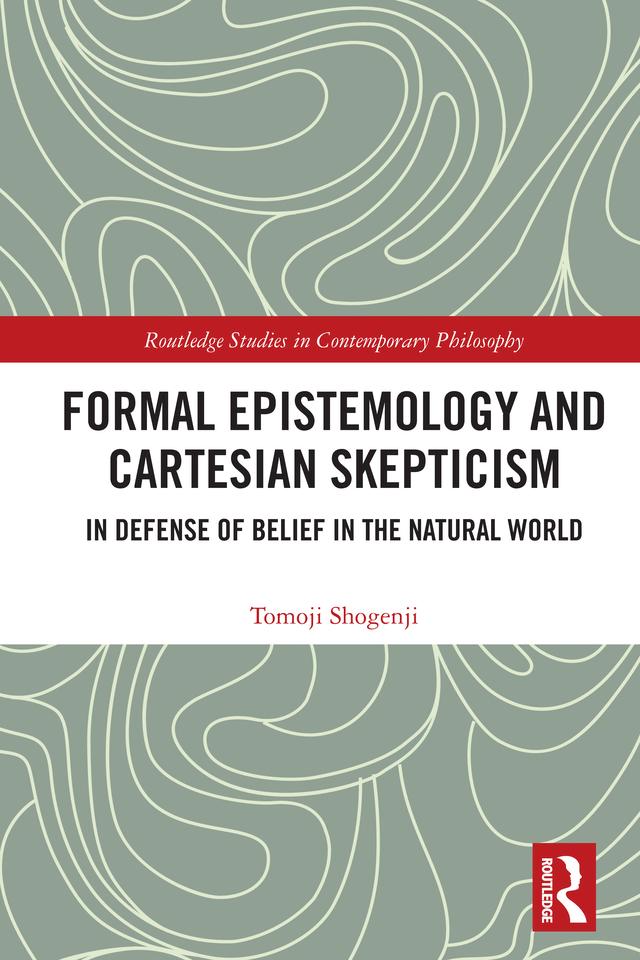
This book develops new techniques in formal epistemology and applies them to the challenge of Cartesian skepticism. It introduces two formats of epistemic evaluation that should be of interest to epistemologists and philosophers of science: the dual-component format, which evaluates a statement on the basis of its safety and informativeness, and the relative-divergence format, which evaluates a probabilistic model on the basis of its complexity and goodness of fit with data. Tomoji Shogenji shows that the former lends support to Cartesian skepticism, but the latter allows us to defeat Cartesian skepticism. Along the way, Shogenji addresses a number of related issues in epistemology and philosophy of science, including epistemic circularity, epistemic closure, and inductive skepticism.
Betal nemt med kort, Klarna, Apple Pay eller Google Pay. Ikke tilfreds? Du har altid 14 dages fortrydelsesret. Læs mere i vores vilkår. Har du spørgsmål, så send os en mail på hello@memmo.org.
Memmo gør det nemmere at studere – uanset hvor du er i verden. Hos os samler du dine kursusbøger og smarte studieværktøjer ét sted: resuméer, quizzer, podcasts og flashcards. Og så er der Ted, din studieven, der svarer på alt, du undrer dig over. Over 50 000 studerende studerer allerede her – bygget til at hjælpe dig med at lære hurtigere og stresse mindre.