
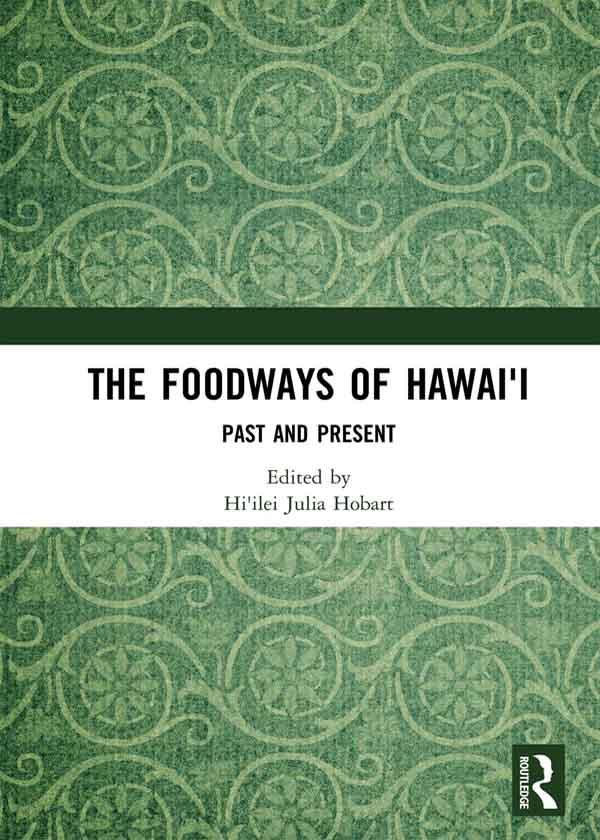
Offering diverse perspectives on Hawaiʻi’s food system, this book addresses themes of place and identity across time. From early Western contact to the present day, the way in which people in Hawaiʻi grow, import, and consume their food has shifted in response to the pressures of colonialism, migration, new technologies, and globalization. Because of Hawaiʻi’s history of agricultural abundance, its geographic isolation in the Pacific Ocean, and its heavy reliance on imported foods today, it offers a rich case study for understanding how food systems develop in-place. In so doing, the contributors implicitly and explicitly complicate the narrative of the "local," which has until recently dominated much of the existing scholarship on Hawaiʻi’s foodways. With topics spanning GMO activism, agricultural land use trends, customary access and fishing rights, poi production, and the dairy industry, this volume reveals how "local food" is emplaced through dynamic and complex articulations of history, politics, and economic change. This book was originally published as a special issue of Food, Culture, and Society.
Betal nemt med kort, Klarna, Apple Pay eller Google Pay. Ikke tilfreds? Du har altid 14 dages fortrydelsesret. Læs mere i vores vilkår. Har du spørgsmål, så send os en mail på hello@memmo.org.
Memmo gør det nemmere at studere – uanset hvor du er i verden. Hos os samler du dine kursusbøger og smarte studieværktøjer ét sted: resuméer, quizzer, podcasts og flashcards. Og så er der Ted, din studieven, der svarer på alt, du undrer dig over. Over 50 000 studerende studerer allerede her – bygget til at hjælpe dig med at lære hurtigere og stresse mindre.