
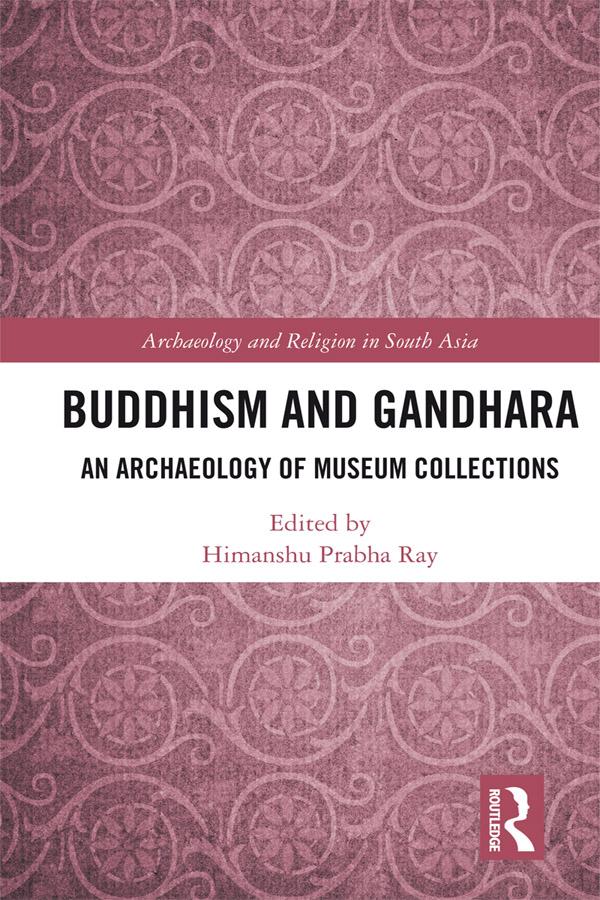
Gandhara is a name central to Buddhist heritage and iconography. It is the ancient name of a region in present-day Pakistan, bounded on the west by the Hindu Kush mountain range and to the north by the foothills of the Himalayas. ‘Gandhara’ is also the term given to this region’s sculptural and architectural features between the first and sixth centuries CE.
This book re-examines the archaeological material excavated in the region in the nineteenth and early twentieth centuries and traces the link between archaeological work, histories of museum collections and related interpretations by art historians. The essays in the volume underscore the diverse cultural traditions of Gandhara – from a variety of sources and perspectives on language, ethnicity and material culture (including classical accounts, Chinese writings, coins and Sanskrit epics) – as well as interrogate the grand narrative of Hellenism of which Gandhara has been a part. The book explores the making of collections of what came to be described as Gandhara art and reviews the Buddhist artistic tradition through notions of mobility and dynamic networks of transmission.
Wide ranging and rigorous, this volume will appeal to scholars and researchers of early South Asian history, archaeology, religion (especially Buddhist studies), art history and museums.
Betal nemt med kort, Klarna, Apple Pay eller Google Pay. Ikke tilfreds? Du har altid 14 dages fortrydelsesret. Læs mere i vores vilkår. Har du spørgsmål, så send os en mail på hello@memmo.org.
Memmo gør det nemmere at studere – uanset hvor du er i verden. Hos os samler du dine kursusbøger og smarte studieværktøjer ét sted: resuméer, quizzer, podcasts og flashcards. Og så er der Ted, din studieven, der svarer på alt, du undrer dig over. Over 50 000 studerende studerer allerede her – bygget til at hjælpe dig med at lære hurtigere og stresse mindre.