
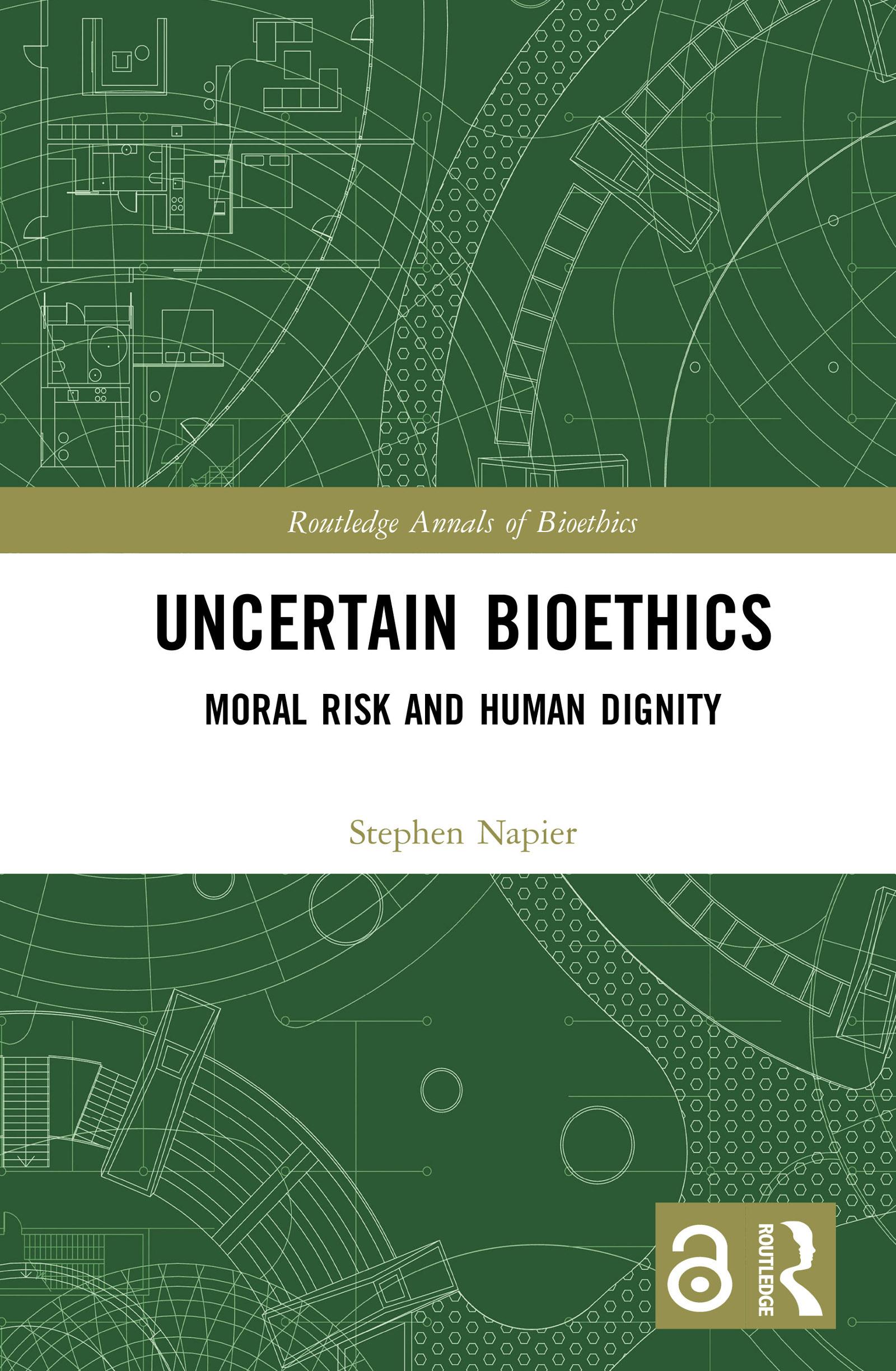
Bioethics is a field of inquiry and as such is fundamentally an epistemic discipline. Knowing how we make moral judgments can bring into relief why certain arguments on various bioethical issues appear plausible to one side and obviously false to the other. Uncertain Bioethics makes a significant and distinctive contribution to the bioethics literature by culling the insights from contemporary moral psychology to highlight the epistemic pitfalls and distorting influences on our apprehension of value. Stephen Napier also incorporates research from epistemology addressing pragmatic encroachment and the significance of peer disagreement to justify what he refers to as epistemic diffidence when one is considering harming or killing human beings. Napier extends these developments to the traditional bioethical notion of dignity and argues that beliefs subject to epistemic diffidence should not be acted upon. He proceeds to apply this framework to traditional and developing issues in bioethics including abortion, stem cell research, euthanasia, decision-making for patients in a minimally conscious state, and risky research on competent human subjects.
Betal nemt med kort, Klarna, Apple Pay eller Google Pay. Ikke tilfreds? Du har altid 14 dages fortrydelsesret. Læs mere i vores vilkår. Har du spørgsmål, så send os en mail på hello@memmo.org.
Memmo gør det nemmere at studere – uanset hvor du er i verden. Hos os samler du dine kursusbøger og smarte studieværktøjer ét sted: resuméer, quizzer, podcasts og flashcards. Og så er der Ted, din studieven, der svarer på alt, du undrer dig over. Over 50 000 studerende studerer allerede her – bygget til at hjælpe dig med at lære hurtigere og stresse mindre.