
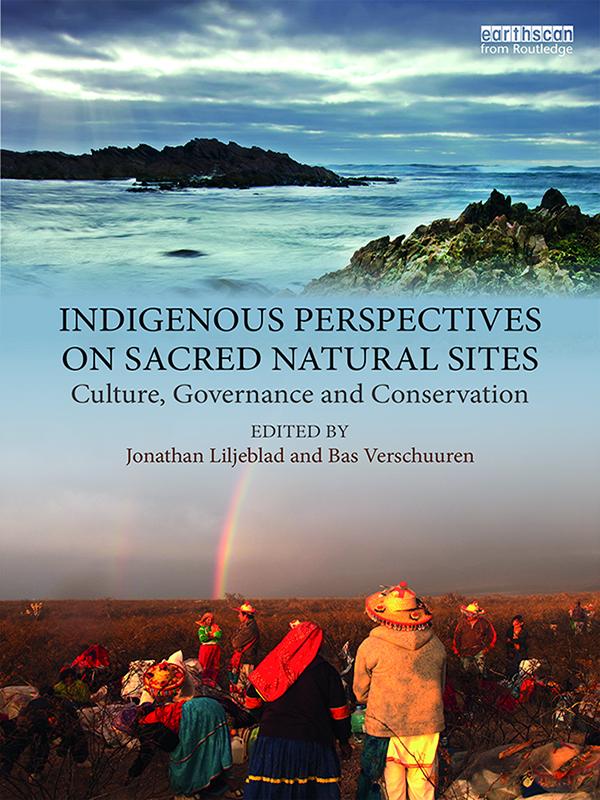
Much previous literature on sacred natural sites has been written from a non-indigenous perspective. In contrast, this book facilitates a greater self-expression of indigenous perspectives regarding treatment of the sacred and its protection and governance in the face of threats from various forms of natural resource exploitation and development.
It provides indigenous custodians the opportunity to explain how they view and treat the sacred through a written account that is available to a global audience. It thus illuminates similarities and differences of both definitions, interpretations and governance approaches regarding sacred natural phenomena and their conservation. The volume presents an international range of case studies, from the recent controversy of pipeline construction at Standing Rock, a sacred site for the Sioux people spanning North and South Dakota, to others located in Australia, Canada, East Timor, Hawaii, India, Mexico, Myanmar, Nigeria and the Philippines.
Each chapter includes an analytical introduction and conclusion written by the editors to identify common themes, unique insights and key messages. The book is therefore a valuable teaching resource for students of indigenous studies, anthropology, religion, heritage, human rights and law, nature conservation and environmental protection. It will also be of great interest to professionals and NGOs concerned with nature and heritage conservation.
Betal nemt med kort, Klarna, Apple Pay eller Google Pay. Ikke tilfreds? Du har altid 14 dages fortrydelsesret. Læs mere i vores vilkår. Har du spørgsmål, så send os en mail på hello@memmo.org.
Memmo gør det nemmere at studere – uanset hvor du er i verden. Hos os samler du dine kursusbøger og smarte studieværktøjer ét sted: resuméer, quizzer, podcasts og flashcards. Og så er der Ted, din studieven, der svarer på alt, du undrer dig over. Over 50 000 studerende studerer allerede her – bygget til at hjælpe dig med at lære hurtigere og stresse mindre.