
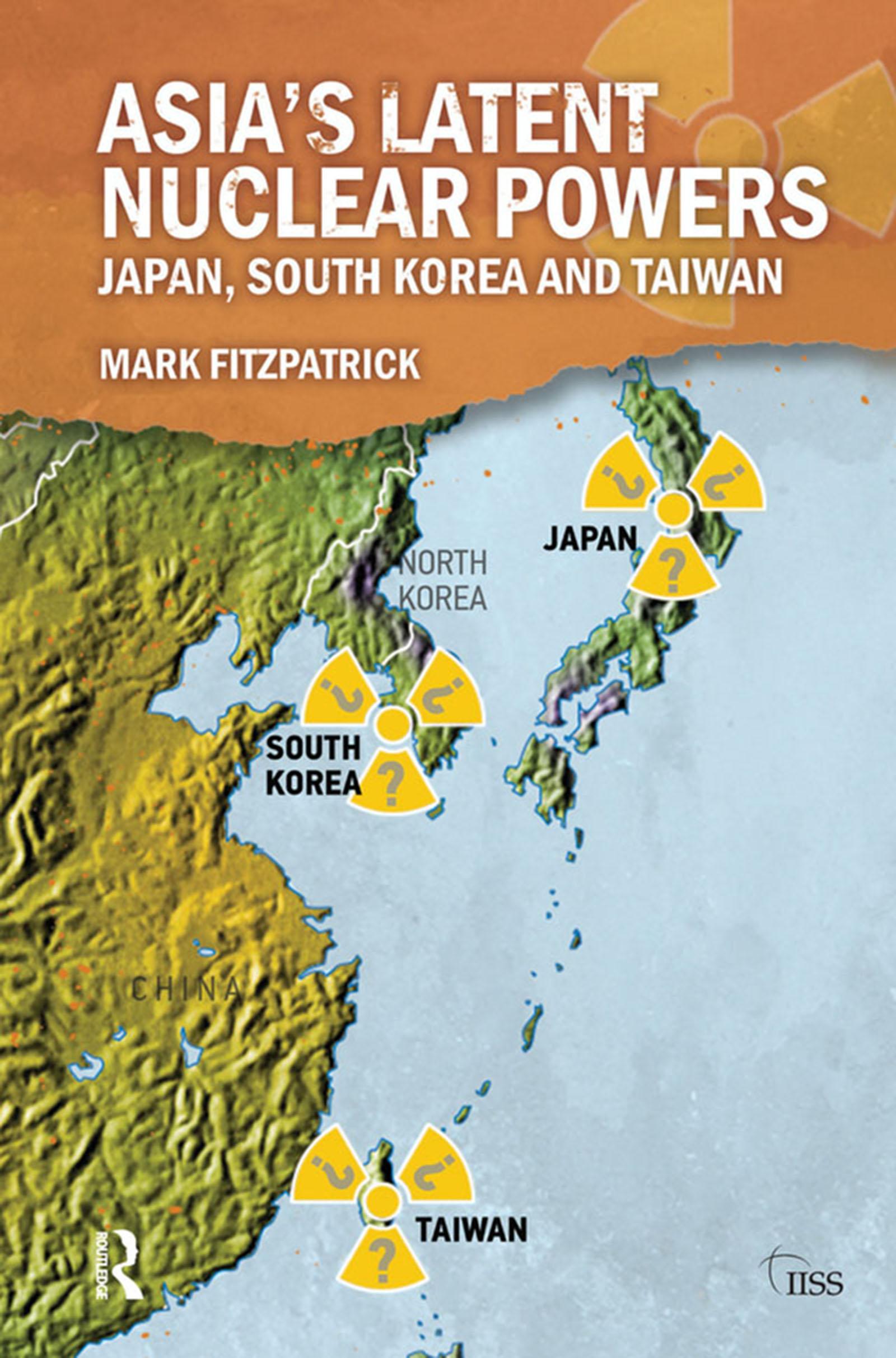
If the nuclear weapons club were to further expand, would America�s democratic allies in Northeast Asia be among the next entrants? Japan, South Korea and Taiwan all have robust civilian nuclear energy programmes that make them �virtual nuclear powers� according to many analysts. All three once pursued nuclear weapons and all face growing security threats from nuclear-armed adversaries. But will they � or rather, under what circumstances might they?
This book analyses these past nuclear pursuits and current proliferation drivers. In explaining the nuclear technology that the three now possess, it considers how long it would take each to build a nuclear weapon if such a fateful decision were made.
Although nuclear dominoes Northeast Asia cannot be ruled out, the author does not predict such a scenario. Unlike when each previously went down a nuclear path, democracy and a free press now prevail as barriers to building nukes in the basement. Reliance on US defence commitments is a better security alternative -- as long as such guarantees remain credible, an issue that is also assessed. But extended deterrence is not a tight barrier to proliferation of sensitive nuclear technologies. Nuclear hedging by its Northeast Asian partners will challenge Washington�s nuclear diplomacy.
Betal nemt med kort, Klarna, Apple Pay eller Google Pay. Ikke tilfreds? Du har altid 14 dages fortrydelsesret. Læs mere i vores vilkår. Har du spørgsmål, så send os en mail på hello@memmo.org.
Memmo gør det nemmere at studere – uanset hvor du er i verden. Hos os samler du dine kursusbøger og smarte studieværktøjer ét sted: resuméer, quizzer, podcasts og flashcards. Og så er der Ted, din studieven, der svarer på alt, du undrer dig over. Over 50 000 studerende studerer allerede her – bygget til at hjælpe dig med at lære hurtigere og stresse mindre.