
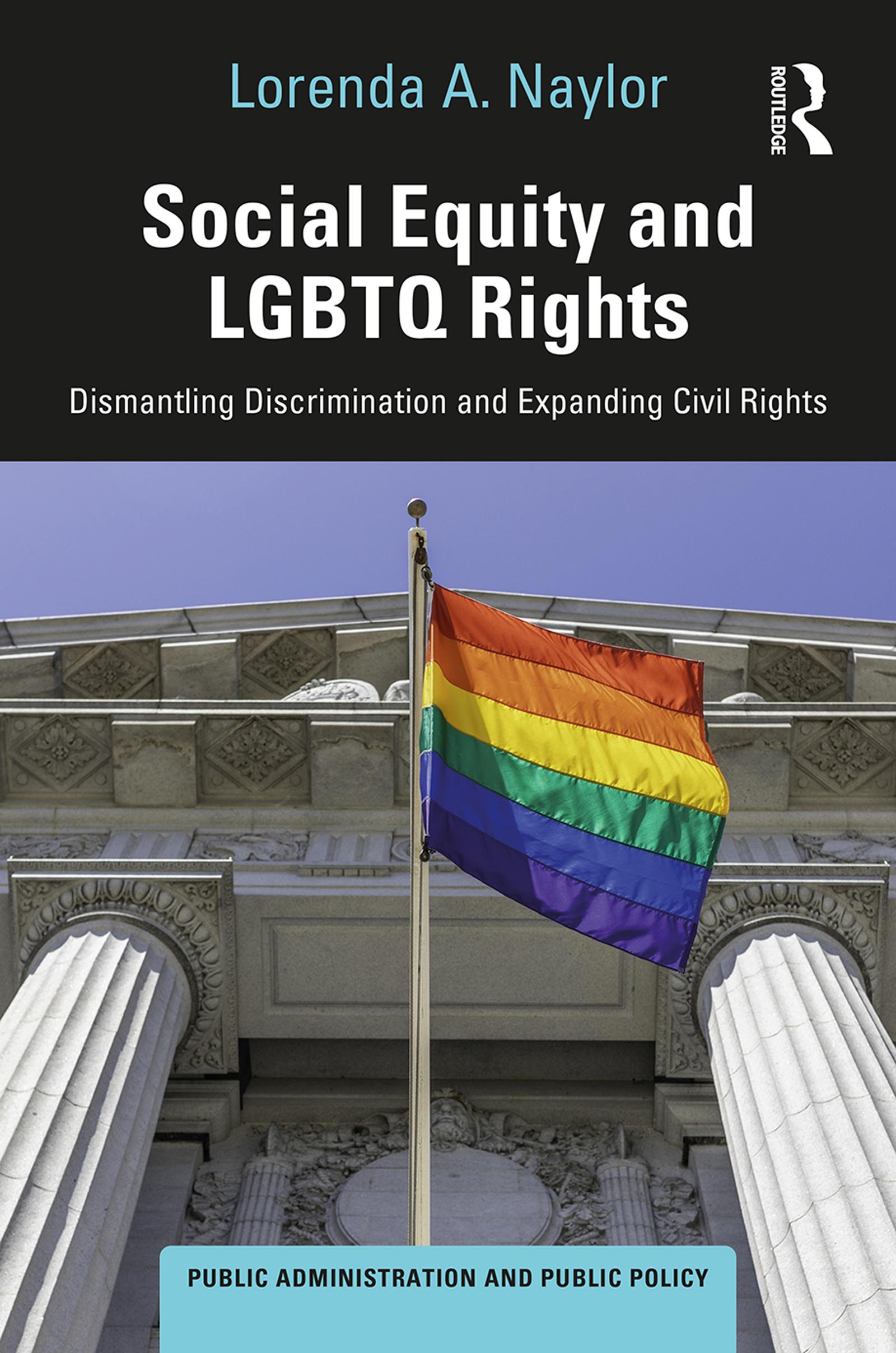
Can a baker refuse to make a wedding cake for a gay couple? Despite the U.S. Supreme Court decision guaranteeing marriage equality in 2015, lesbian, gay, bisexual, transgender, and queer (LGBTQ) citizens in the United States continue to be discriminated against in fundamental areas that others take for granted as a legal right. Using social equity theory and intersectionality but written in an accessible style, this book demonstrates some of the ways in which LGBTQ citizens have been marginalized for their identity and argues that the field of public administration has a unique responsibility to prioritize social equity. Categories utilized by the U.S. Census Bureau (male or female, heterosexual or homosexual), for example, must shift to a continuum to accurately capture demographic characteristics and citizen behavior. Evidenced-based outcomes and disparities between cisgender and heterosexual and LGBTQ populations are carefully delineated to provide a legal rationale for a compelling governmental interest, and policy recommendations are provided – including overdue federal legislation to prohibit discrimination based on sexual orientation and gender identity.
Betal nemt med kort, Klarna, Apple Pay eller Google Pay. Ikke tilfreds? Du har altid 14 dages fortrydelsesret. Læs mere i vores vilkår. Har du spørgsmål, så send os en mail på hello@memmo.org.
Memmo gør det nemmere at studere – uanset hvor du er i verden. Hos os samler du dine kursusbøger og smarte studieværktøjer ét sted: resuméer, quizzer, podcasts og flashcards. Og så er der Ted, din studieven, der svarer på alt, du undrer dig over. Over 50 000 studerende studerer allerede her – bygget til at hjælpe dig med at lære hurtigere og stresse mindre.