
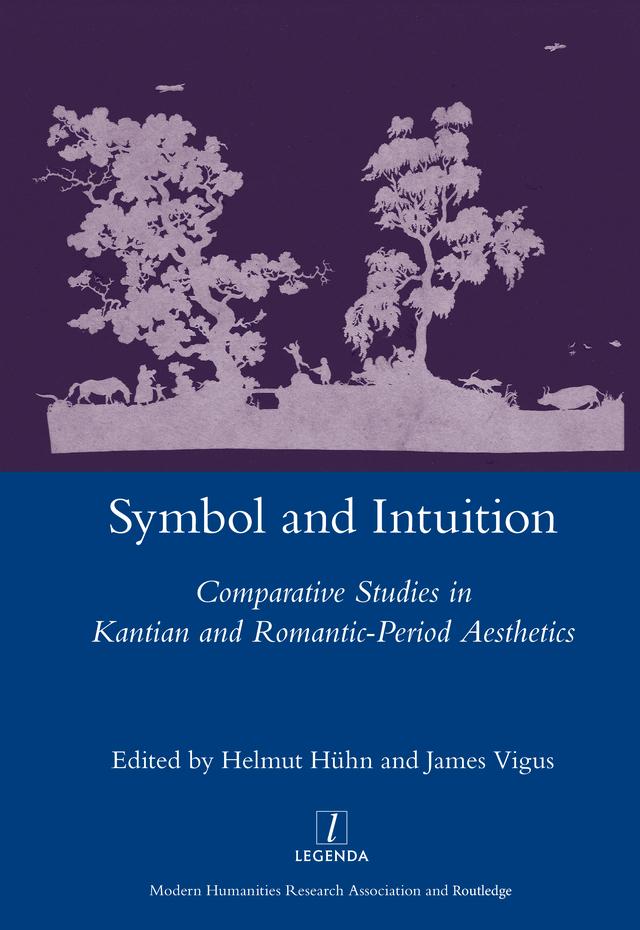
"That a symbolic object or work of art participates in what it signifies, as a part within a whole, was a controversial claim discussed with particular intensity in the wake of Immanuel Kant's Critique of Judgment. It informed the aesthetic theories of a constellation of writers in Jena and Weimar around 1800, including Moritz, Goethe, Schelling and Hegel. Yet the twin concepts of symbol and intuition were not only tools of literary and mythological criticism: they were integral even to questions of epistemology and methodology in the fields of theology, metaphysics, history and natural philosophy. The international contributors to this volume further explore how both the explanatory potential and peculiar dissatisfactions of the symbol entered the Anglo-American discourse, focusing on Coleridge, Crabb Robinson and Emerson. Contemporary debates about the claims of symbolic as opposed to allegorical art are kept in view throughout."
Betal nemt med kort, Klarna, Apple Pay eller Google Pay. Ikke tilfreds? Du har altid 14 dages fortrydelsesret. Læs mere i vores vilkår. Har du spørgsmål, så send os en mail på hello@memmo.org.
Memmo gør det nemmere at studere – uanset hvor du er i verden. Hos os samler du dine kursusbøger og smarte studieværktøjer ét sted: resuméer, quizzer, podcasts og flashcards. Og så er der Ted, din studieven, der svarer på alt, du undrer dig over. Over 50 000 studerende studerer allerede her – bygget til at hjælpe dig med at lære hurtigere og stresse mindre.
Du kan måske også lide
Køb bogen0