
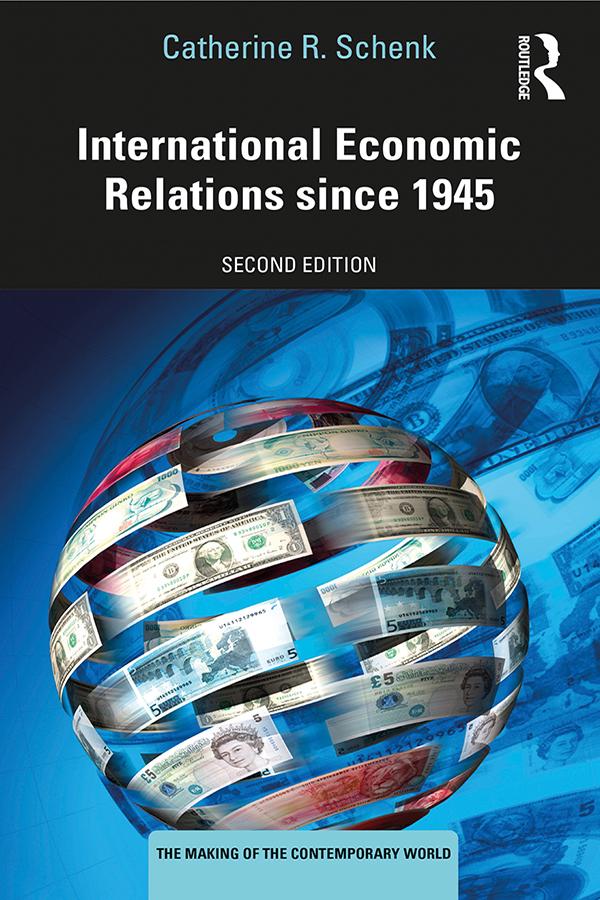
This second edition has been updated to include an assessment of economic relations up to the COVID-19 pandemic. It focuses on three main threads that tie national economies together: flows of goods, of people and of finance.
Since the end of the Second World War, the international economy transformed from a tightly controlled trading system to the financial globalization of the late 20th century. This book traces the organisation of international economic relations from the 1944 Bretton Woods conference through to the 2008 financial crisis and its aftermath. By outlining the development of economic policy of both national and international institutions like the International Monetary Fund and the European Union, this volume examines how the global system was constructed and explores the sources of inequality and instability. The changing political context is also emphasised, especially the Cold War and its end, the rise of China and other emerging market economies and the prospect of a retreat from globalisation in the wake of the 2008 crisis.
Using non-technical language and providing clear examples and evidence, the book is an accessible introduction to international economic relations that will be useful for all students of modern world history since 1945.
Betal nemt med kort, Klarna, Apple Pay eller Google Pay. Ikke tilfreds? Du har altid 14 dages fortrydelsesret. Læs mere i vores vilkår. Har du spørgsmål, så send os en mail på hello@memmo.org.
Memmo gør det nemmere at studere – uanset hvor du er i verden. Hos os samler du dine kursusbøger og smarte studieværktøjer ét sted: resuméer, quizzer, podcasts og flashcards. Og så er der Ted, din studieven, der svarer på alt, du undrer dig over. Over 50 000 studerende studerer allerede her – bygget til at hjælpe dig med at lære hurtigere og stresse mindre.