
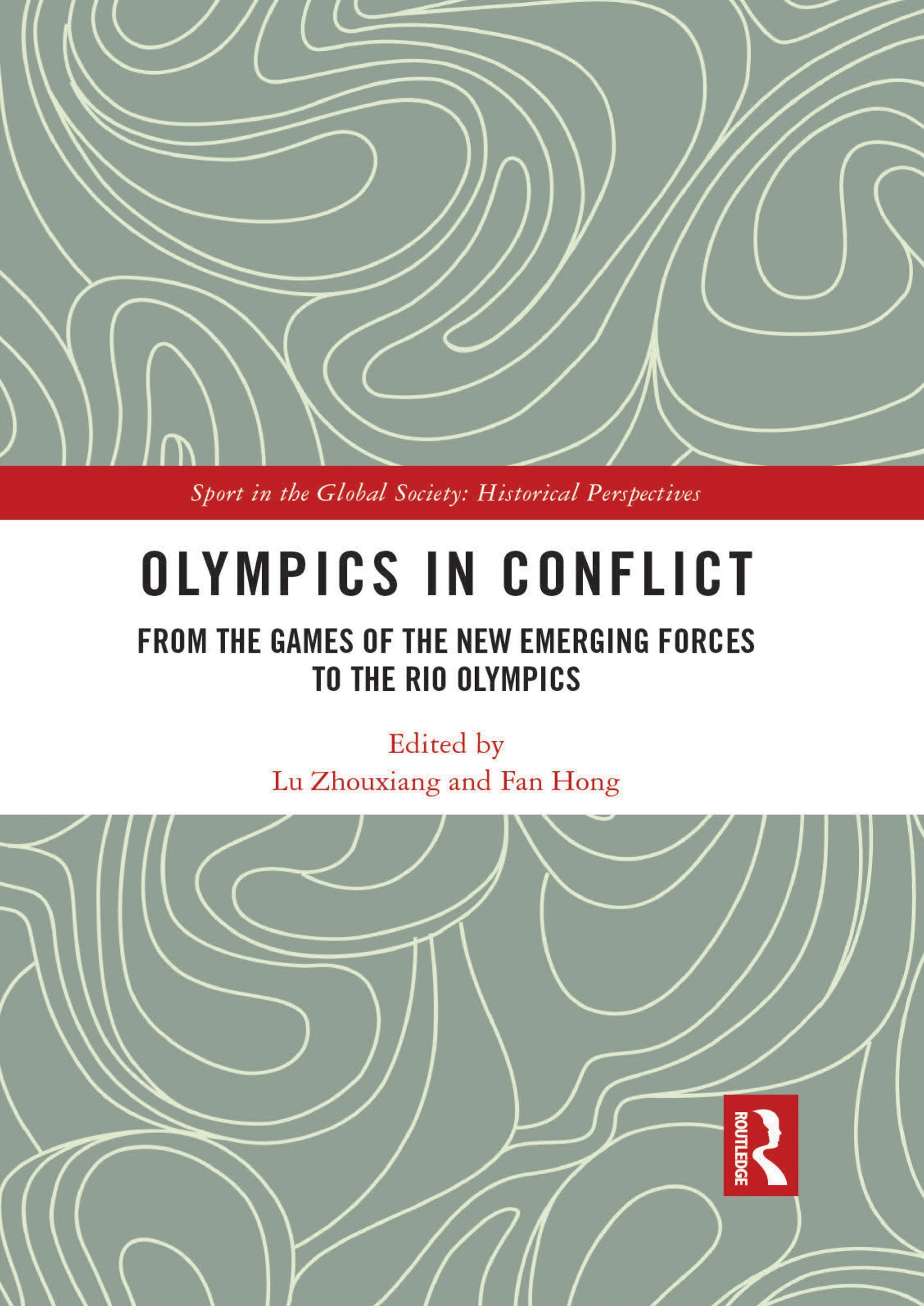
In the second half of the twentieth century, the Olympics played an important role in the politics of the Cold War and was part of the conflicts between the Capitalist Block, the Socialist Block and Third World countries. The Games of the New Emerging Forces (GANEFO) is one of the best examples of the politicization of sport and the Olympics in the Cold War era. From the 1980s onward, the Olympics has facilitated communication and cooperation between nations in the post–Cold War era and contributed to the formation of a new world order. In August 2016, the Games of the XXXI Olympiad were held in Rio de Janeiro, making Brazil the first South American country to host the Summer Olympics. This was widely regarded as a new landmark event in the history of the modern Olympic movement. From the GANEFO to Rio, the Olympic Games have witnessed the shifting balance in international politics and world economy. This book aims at understanding the transformation of the Olympics over the past decades and tries to explain how the Olympic movement played its part in world politics, the world economy and international relations against the background of the rise of developing countries. The chapters in this book were published as a special issue in The International Journal of the History of Sport.
Betal nemt med kort, Klarna, Apple Pay eller Google Pay. Ikke tilfreds? Du har altid 14 dages fortrydelsesret. Læs mere i vores vilkår. Har du spørgsmål, så send os en mail på hello@memmo.org.
Memmo gør det nemmere at studere – uanset hvor du er i verden. Hos os samler du dine kursusbøger og smarte studieværktøjer ét sted: resuméer, quizzer, podcasts og flashcards. Og så er der Ted, din studieven, der svarer på alt, du undrer dig over. Over 50 000 studerende studerer allerede her – bygget til at hjælpe dig med at lære hurtigere og stresse mindre.