
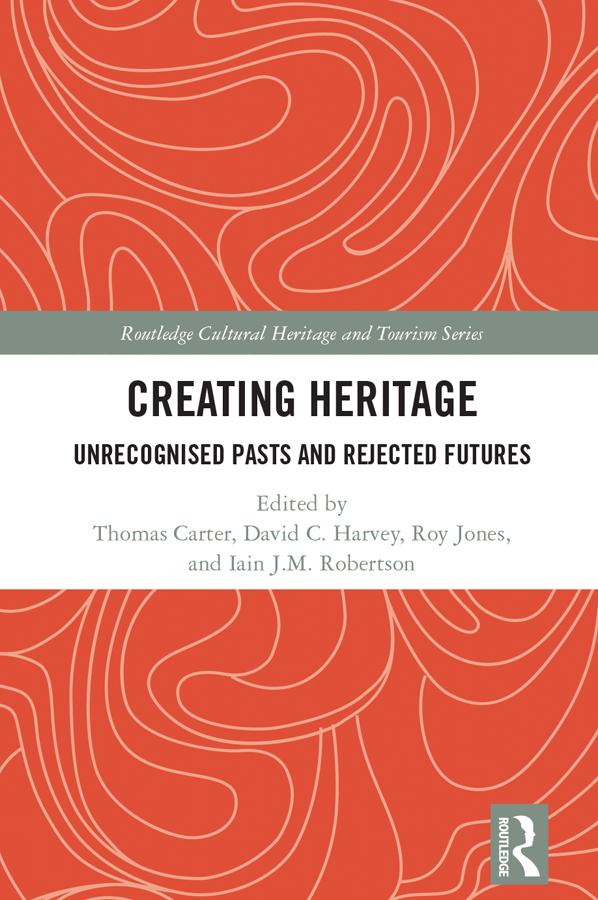
This book investigates the selection process of heritagisation to understand what specific pasts are being selected or rejected for representation, who is selecting them, how and to whom they are being represented and why they are being presented, or dismissed, in the ways that they are.
Some aspects of our pasts are venerated and memorialised for a variety of reasons, while others are forgotten or even hidden. This volume, thus, provides examples from across a spectrum. Some phenomena are well-suited to heritagisation, such as animals memorialised for their bravery, long past agricultural techniques and implements, and impressive landscapes. However, this book also deals with products (e.g. tobacco), historical periods (e.g. the Third Reich) and scientific techniques (e.g. genetic modification) with negative connotations that extend beyond their heritage attributes.
This volume considers how the actors in the heritage industry admit, valorise, prioritise and rationalise historic resources as heritage products. These findings provide practical examples of how heritage institutions privilege, frame and/or exclude a wide range of heritage items. They also contrast the invocations of sectional (local, national or class based) and more cosmopolitan heritages and consider the extent to which innovation and change are or can be acknowledged within the heritage discourse.
Betal nemt med kort, Klarna, Apple Pay eller Google Pay. Ikke tilfreds? Du har altid 14 dages fortrydelsesret. Læs mere i vores vilkår. Har du spørgsmål, så send os en mail på hello@memmo.org.
Memmo gør det nemmere at studere – uanset hvor du er i verden. Hos os samler du dine kursusbøger og smarte studieværktøjer ét sted: resuméer, quizzer, podcasts og flashcards. Og så er der Ted, din studieven, der svarer på alt, du undrer dig over. Over 50 000 studerende studerer allerede her – bygget til at hjælpe dig med at lære hurtigere og stresse mindre.