
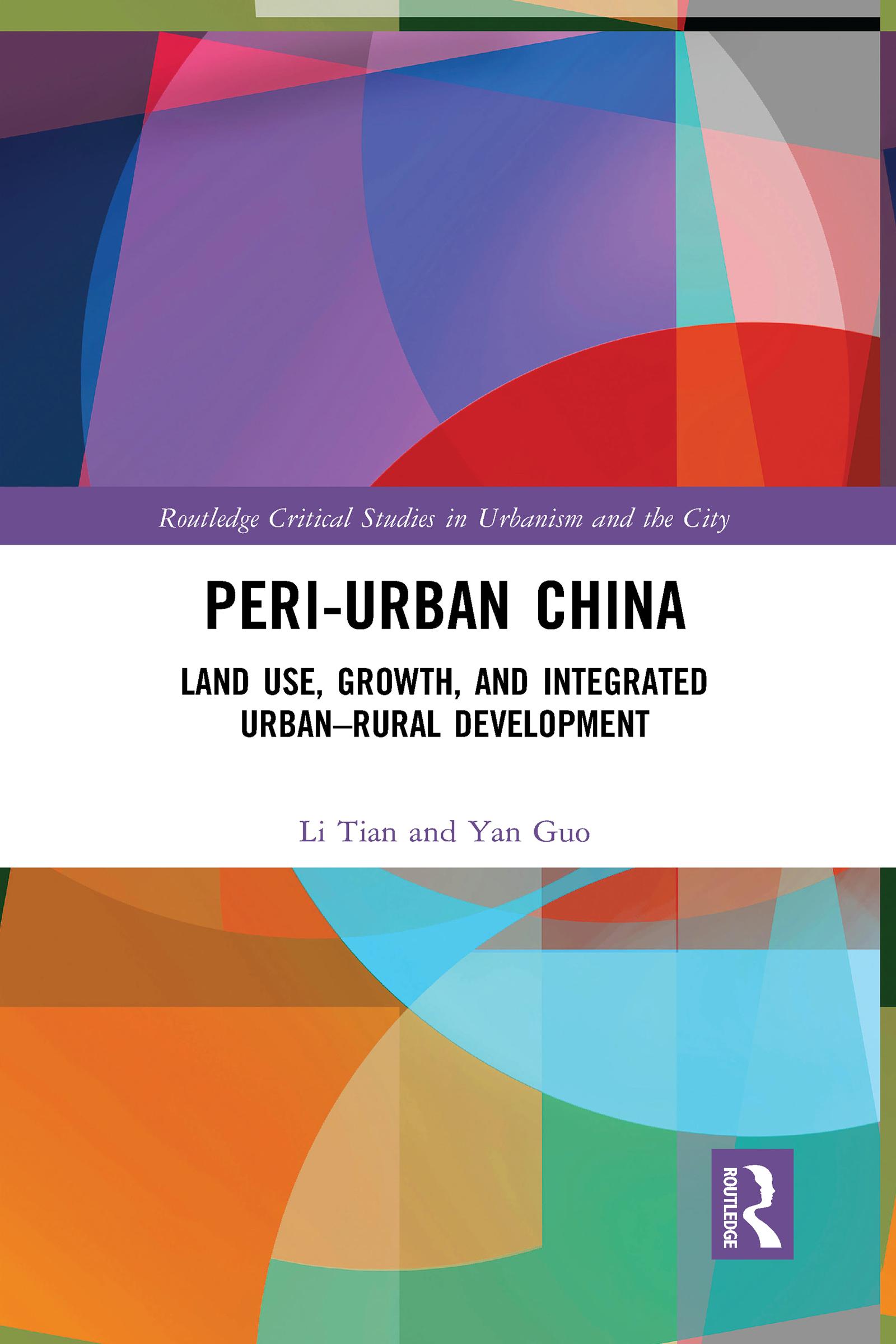
The urban-rural relationship in China is key to a sustainable global future. This book is particularly interested in peri-urbanization in China, the process by which fringe areas of cities develop.
Recent institutional change has helped clarify property rights over collective land, facilitating peri-urban area development. Chapters in this book explore how rural industrialization has changed the landscape and rules about land use in peri-urban areas. It looks at the role of rural industrialization and provides a detailed exploration of peri-urbanization theory, policy, and its evolution in China. Leading discussions find out how fragmented bottom-up industrialization, urbanization, and lax governance have led to a series of social and environmental problems. The progress in redevelopment of peri-urban areas was initially slow due to the spatial lock-in effect. This book offers practical solutions to environmental issues and explains how policymakers have the potential to redevelop a future collaborative, inclusive, and sustainable approach to peri-urban areas.
This in-depth approach to urbanization will be useful to academics in urban planning and governmental organizations. It will also be advantageous to NGOs and professionals involved in urban planning, public administration, as well as land-use work in China and other developing countries.
Betal nemt med kort, Klarna, Apple Pay eller Google Pay. Ikke tilfreds? Du har altid 14 dages fortrydelsesret. Læs mere i vores vilkår. Har du spørgsmål, så send os en mail på hello@memmo.org.
Memmo gør det nemmere at studere – uanset hvor du er i verden. Hos os samler du dine kursusbøger og smarte studieværktøjer ét sted: resuméer, quizzer, podcasts og flashcards. Og så er der Ted, din studieven, der svarer på alt, du undrer dig over. Over 50 000 studerende studerer allerede her – bygget til at hjælpe dig med at lære hurtigere og stresse mindre.