
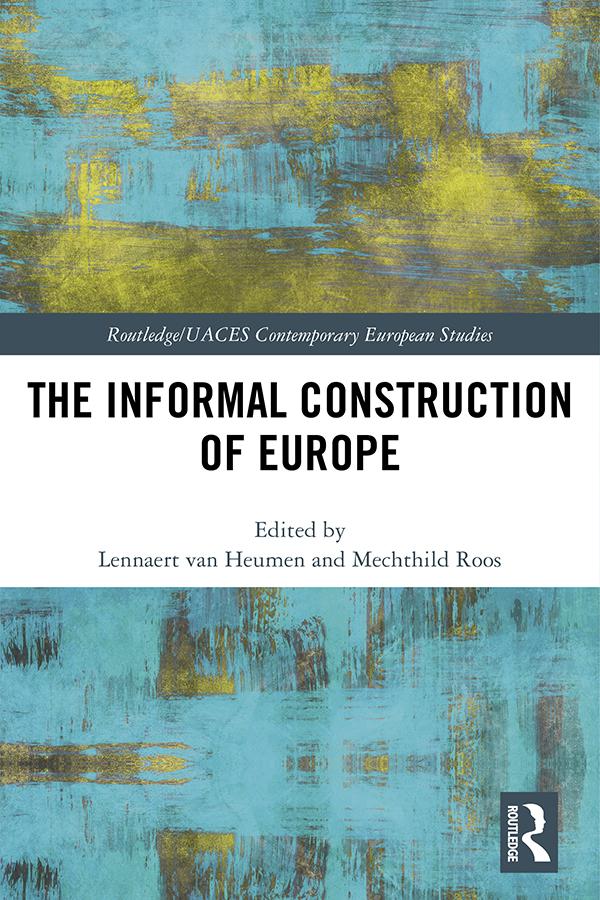
Informal dimensions of European integration have received limited academic attention to date, despite their historical and contemporary importance. Particularly studies in European integration history, while frequently mentioning informal processes, have as yet rarely conceptualised the study of informality in European integration, and thus fail usually to systematically analyse conditions, impact and consequences of informal action.
Including case studies that discuss both successful and failed examples of informal action in European integration, this book assembles cutting-edge research by both early-career and more experienced scholars from all over Europe to fill this lacuna. The chapters of this volume offer a guide to the study of informality and show how informality has impacted European integration history and the functioning of the EC/EU as well as other European organisations in a variety of ways. Reflecting the diversity of studies within this burgeoning field of research, within and across several academic disciplines, the book approaches the informal dimensions of European integration from different disciplinary, methodological and thematic angles.
This book will be of key interest to students and scholars of European integration, EU politics/studies, European politics, European Union history, and more broadly to comparative politics and international relations.
Betal nemt med kort, Klarna, Apple Pay eller Google Pay. Ikke tilfreds? Du har altid 14 dages fortrydelsesret. Læs mere i vores vilkår. Har du spørgsmål, så send os en mail på hello@memmo.org.
Memmo gør det nemmere at studere – uanset hvor du er i verden. Hos os samler du dine kursusbøger og smarte studieværktøjer ét sted: resuméer, quizzer, podcasts og flashcards. Og så er der Ted, din studieven, der svarer på alt, du undrer dig over. Over 50 000 studerende studerer allerede her – bygget til at hjælpe dig med at lære hurtigere og stresse mindre.