
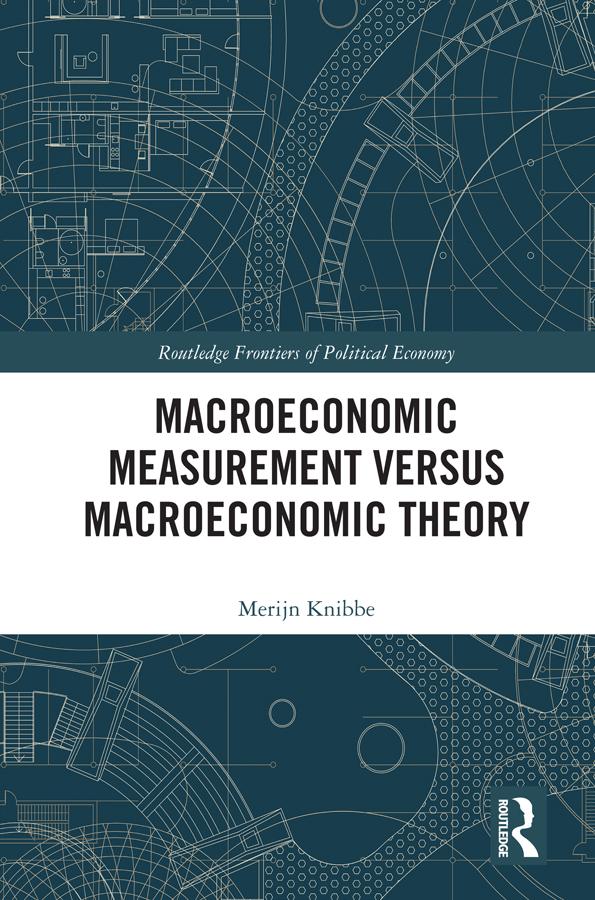
Ideally, scientific theory and scientific measurement should develop in tandem, but in recent years this has not been the case in economics. There used to be a time when leading economists, or their students, established or led statistical offices and took care that the measurements were consistent with the theory (and vice versa). Not anymore. Macroeconomic theorists and macroeconomic statisticians do not even speak the same language any longer. They do use the same words, such as ‘consumption’, ‘investments’ or ‘unemployment’ but the meanings can often be different.
This book maps the differences between macroeconomic theory and measurement and explores them in some detail while also tracking their intellectual, historical and, in some cases, ideological origins. It also explores the possible policy implications. In doing so, the book draws on two separate strands of literature which are seldom used in unison: macro-statistical manuals and theoretical macro-papers. By doing so, the book contributes to the effort to bridge the gap between them without compromising on the idea that a meaningful science of economics should, in the end, be based upon individual people and households and their social and cultural embedding instead of a ‘representative consumer’, or Robinson Crusoe figure.
This work is essential reading for students, economists, statisticians, and professionals.
Betal nemt med kort, Klarna, Apple Pay eller Google Pay. Ikke tilfreds? Du har altid 14 dages fortrydelsesret. Læs mere i vores vilkår. Har du spørgsmål, så send os en mail på hello@memmo.org.
Memmo gør det nemmere at studere – uanset hvor du er i verden. Hos os samler du dine kursusbøger og smarte studieværktøjer ét sted: resuméer, quizzer, podcasts og flashcards. Og så er der Ted, din studieven, der svarer på alt, du undrer dig over. Over 50 000 studerende studerer allerede her – bygget til at hjælpe dig med at lære hurtigere og stresse mindre.